Supplements That Actually Work: An Evidence-Based Guide
The supplement aisle is a minefield of exaggerated claims, pseudo-science, and marketing designed to separate you from your money. Walk into any store and you will see products promising to triple your testosterone, torch fat while you sleep, and add inches to your arms in weeks. The truth is far less dramatic. Of the thousands of supplements on the market, only a handful have enough evidence to justify their use for most lifters. The rest are either useless, under-dosed, or outright scams.
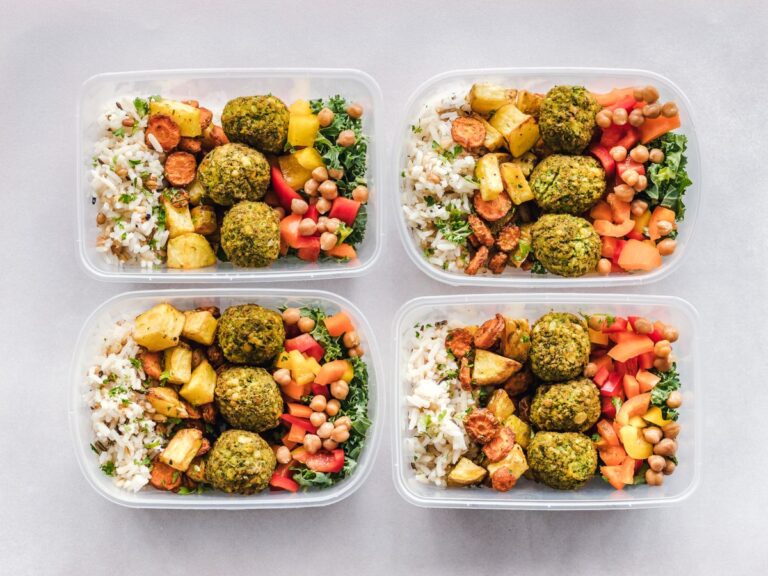
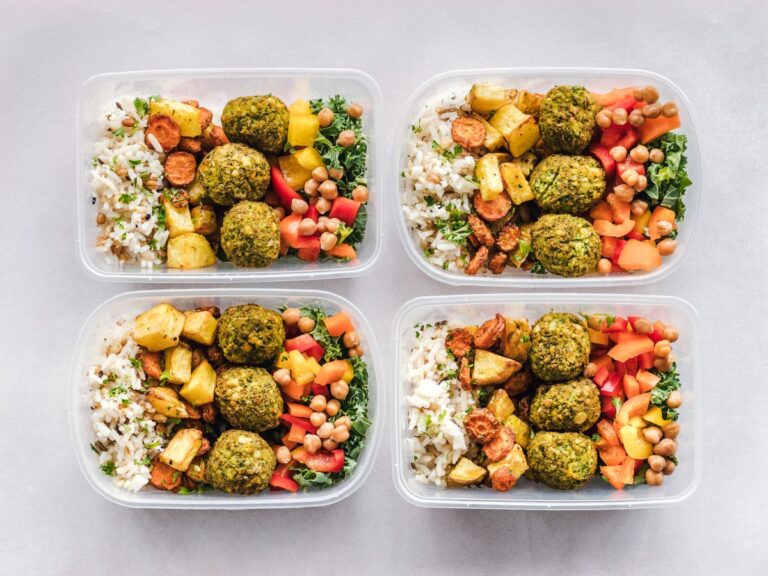
This guide cuts through the noise. It covers the supplements that actually work based on peer-reviewed research, the ones that do not, and how to choose quality products without wasting money. If you are already eating well and training consistently, as we covered in our meal prep guide and our guide to deload weeks, supplements can provide a small but real edge. They are never a substitute for the fundamentals, but they can fill gaps and enhance performance when used correctly.
The Supplement Industry’s Credibility Problem
The dietary supplement industry is not regulated the way pharmaceuticals are. In the United States, the FDA does not review supplements for safety or efficacy before they hit the market. Manufacturers can make broad claims about energy, recovery, and performance as long as they include a disclaimer that the product is not intended to diagnose, treat, cure, or prevent any disease. This creates an environment where anyone can bottle a cheap ingredient, add a flashy label, and charge a premium.
Many popular supplements contain proprietary blends, which list a combined dose of multiple ingredients without revealing how much of each one is included. This is a red flag. It makes it impossible to know if the product contains an effective dose of any single ingredient. If a company will not tell you exactly what is in their product and in what amount, they are hiding something. The first rule of smart supplementation is to only buy products with fully transparent labels and third-party testing from organizations like NSF International or Informed Sport.
What the Evidence Actually Supports
Before diving into specific supplements, it helps to understand what high-quality evidence looks like. The gold standard is a double-blind, placebo-controlled, randomized trial published in a reputable peer-reviewed journal. A meta-analysis, which combines the results of many such trials, is even stronger. When hundreds of studies on a single ingredient point in the same direction, you can be reasonably confident that the effect is real and not a fluke.
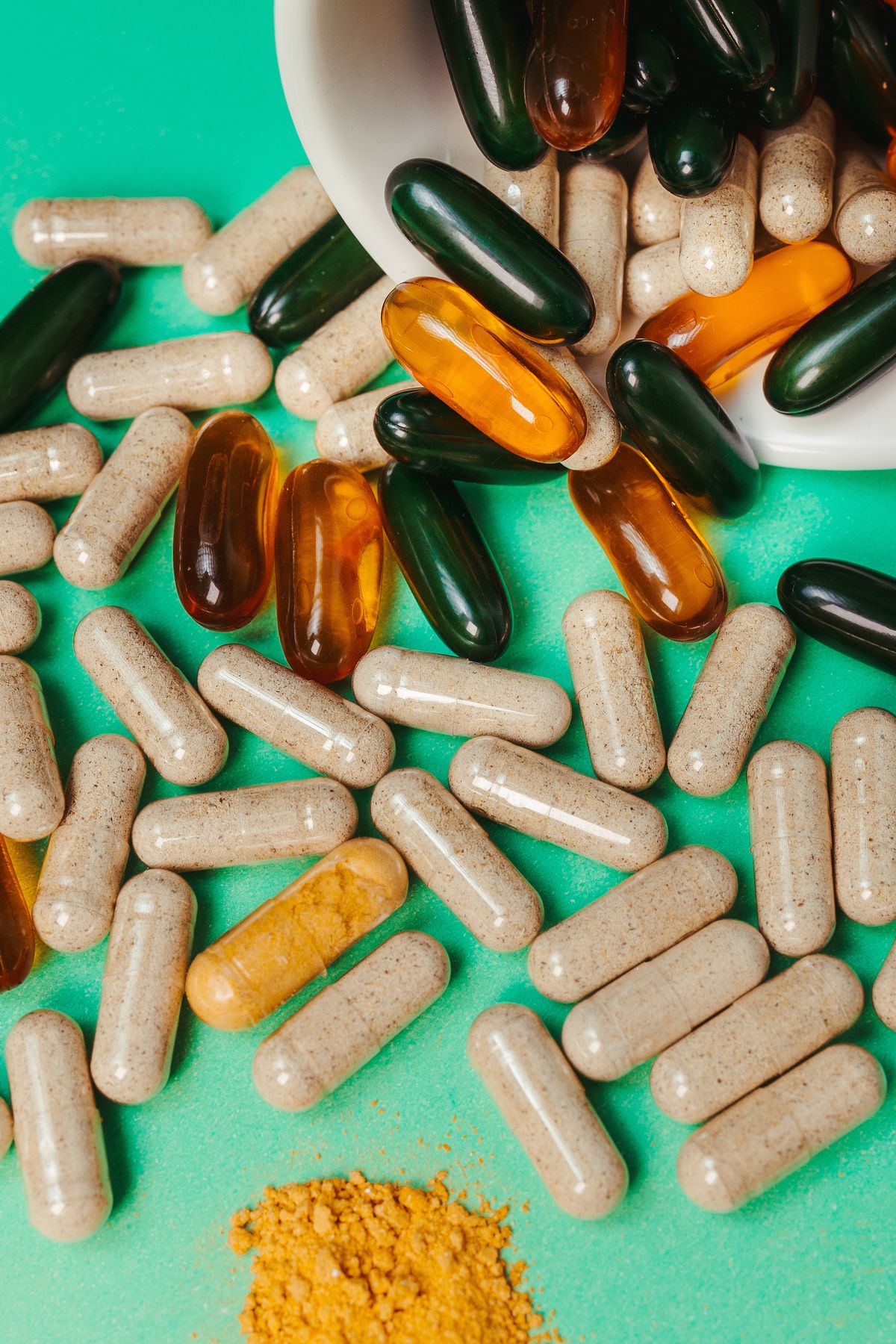
The supplements with the strongest evidence for healthy, training individuals are creatine monohydrate, caffeine, protein powder, vitamin D, omega-3 fatty acids, and magnesium. These have been studied extensively, have clear mechanisms of action, and produce measurable, repeatable effects at standard doses. Everything else is either speculative, supported by weak or biased research, or works only in specific populations with documented deficiencies.
Creatine Monohydrate: The Most Studied Supplement
Creatine monohydrate is the single most effective and well-researched sports supplement available. A 2012 meta-analysis published in the Journal of Strength and Conditioning Research concluded that creatine supplementation increases maximal strength and power by 5 to 15 percent, and it reliably increases lean body mass when combined with resistance training. It works by increasing phosphocreatine stores in muscle, which accelerates the regeneration of ATP, the energy currency your muscles use during explosive efforts like heavy lifting and sprinting.
The standard dose is 3 to 5 grams per day, taken at any time. There is no need for a loading phase of 20 grams per day for five days, though loading does saturate stores faster. The effects are not immediate; it takes one to four weeks of daily use to fully saturate muscle stores. Once saturated, you maintain the benefits as long as you continue taking it. Creatine monohydrate is also extremely safe for healthy individuals; the myth that it harms kidneys has been repeatedly debunked in studies lasting up to five years. Buy plain creatine monohydrate powder. It is cheap, effective, and requires no fancy delivery system.
Nearly everyone who trains with weights benefits from creatine, but the responders are not all equal. Vegetarians and vegans often see the largest improvements because they start with lower baseline creatine stores from their diet. Women also respond well, though the absolute gains are sometimes smaller due to lower muscle mass. Older adults benefit too, with research showing improved strength and cognitive function. If you are an omnivore already eating plenty of meat and fish, you still benefit, but the relative improvement may be slightly less dramatic. Regardless of your starting point, the cost-to-benefit ratio of creatine is unmatched.
Caffeine, Protein Powder, and the Supporting Cast
Caffeine is one of the most reliable performance enhancers for strength and endurance. A 2010 meta-analysis in the Journal of Sports Sciences found that caffeine ingestion improves strength performance and reduces perceived exertion across a wide range of doses. The effective range is 3 to 6 milligrams per kilogram of body weight, consumed 30 to 60 minutes before training. For a 70-kilogram person, that is 210 to 420 milligrams, roughly the amount in two to four cups of coffee. Higher doses increase side effects like jitters and anxiety without adding meaningful benefit. If you already drink coffee before training, you are likely getting most of the advantage.
Protein powder is not magic, but it is a convenient and cost-effective way to hit your daily protein target, especially when whole food is impractical. Whey protein is rapidly digested and ideal post-workout or between meals. Casein digests more slowly and is useful before bed. For those who avoid dairy, pea and rice protein blends provide a complete amino acid profile. A scoop typically provides 20 to 25 grams of protein with minimal carbs and fat. It is essentially a dehydrated food product, not a drug, and its value is in convenience, not some unique muscle-building effect.
Vitamin D is critical for bone health, immune function, and muscle function. Many people, especially those in northern climates or who spend most of their time indoors, are deficient. The optimal blood level is generally considered to be 40 to 60 nanograms per milliliter. A daily dose of 1,000 to 2,000 international units is safe and effective for most adults, but the best approach is to get your blood levels tested and dose accordingly. Omega-3 fatty acids, found in fish oil, support cardiovascular health, reduce inflammation, and may improve recovery. A dose of 1 to 2 grams of combined EPA and DHA per day is supported by the research. Magnesium is involved in over 300 biochemical reactions and supports muscle relaxation and sleep quality. Many athletes are deficient due to sweat loss and high training demands. A dose of 200 to 400 milligrams of magnesium glycinate or citrate before bed can improve sleep and reduce muscle cramps.
What Does NOT Work: The Overhyped and Unproven
For every supplement that works, there are ten that do not. BCAAs, branched-chain amino acids, are perhaps the most overhyped. A 2017 meta-analysis in the European Journal of Clinical Nutrition found that BCAA supplementation did not increase muscle protein synthesis or improve recovery when total daily protein intake was adequate. If you are eating enough protein from whole food or a complete protein powder, BCAAs are a complete waste of money. They are literally fragments of the protein you are already eating.
Testosterone boosters are another category with almost no credible evidence. Most contain ingredients like tribulus terrestris, D-aspartic acid, or fenugreek, which have been studied repeatedly and found to have no meaningful effect on testosterone levels in healthy men. The only way to raise testosterone sustainably is through resistance training, adequate sleep, body fat management, and addressing genuine medical deficiencies. Fat burners are largely caffeine and marketing. They may increase energy expenditure slightly, but the effect is trivial compared to the calories you can burn through diet and exercise. The fat loss comes from the diet, not the pill.
Other supplements to avoid include glutamine for muscle building, which has been shown ineffective in healthy individuals with adequate protein; HMB, which shows minimal benefit outside of untrained elderly populations; and most pre-workout proprietary blends, which hide under-dosed ingredients behind fancy names. The money you save by skipping these can fund years of creatine and protein powder, which actually work.
Detox teas, collagen protein powders for muscle growth, and adaptogenic mushroom blends are also popular but lack evidence for the claims made in fitness marketing. Your liver and kidneys detoxify your body just fine without herbal assistance. Collagen is an incomplete protein and is far inferior to whey or whole-food protein for muscle synthesis. And while some medicinal mushrooms show promise for immune function, they are not performance enhancers for strength training. The pattern is the same: a kernel of biological truth gets stretched into a marketing fantasy, and your wallet pays the price.
How to Choose Quality Products and Dose Correctly
When you do buy supplements, quality matters. Look for third-party testing seals like NSF Certified for Sport, Informed Sport, or BSCG Certified. These mean an independent lab has verified that the product contains what the label says and is not contaminated with banned substances. Avoid proprietary blends, which prevent you from knowing what you are actually taking. Choose single-ingredient products whenever possible, so you can control the dose and avoid paying for fillers you do not need.
Here is a quick dosing reference for the supplements worth taking:
- Creatine monohydrate: 3 to 5 grams daily, any time of day.
- Caffeine: 3 to 6 milligrams per kilogram body weight, 30 to 60 minutes before training.
- Protein powder: 1 to 2 scoops as needed to meet daily protein targets.
- Vitamin D: 1,000 to 2,000 IU daily, or based on blood test results.
- Omega-3: 1 to 2 grams combined EPA and DHA daily.
- Magnesium: 200 to 400 milligrams before bed, preferably glycinate or citrate.
Remember that supplements are exactly what the name implies: supplementary. They fill gaps in an otherwise solid diet and training program. If your sleep, nutrition, and training are not in order, no supplement will fix it. Focus on eating whole foods, hitting your protein targets, sleeping 7 to 9 hours, and training with progressive overload. Once those fundamentals are locked in, the supplements above can give you a small but meaningful edge. The supplement industry profits on confusion and hope. Armed with the right information, you can spend your money wisely and ignore the rest.