Meal Prep for Muscle Growth: A Weekly Template
Muscle is built in the kitchen, not just the gym. You can follow the perfect training program, but if your nutrition is inconsistent, your results will be too. Meal prep is the single most effective way to ensure you hit your protein, calorie, and macro targets every day without spending hours cooking or relying on expensive and often unhealthy takeout. It removes decision fatigue, saves money, and guarantees that a high-protein meal is always within reach when hunger strikes.
This guide gives you a complete weekly meal prep system designed for muscle growth. It includes the equipment you need, a 2-hour prep schedule, sample meals with macro breakdowns, storage tips, and strategies to keep your food interesting week after week. If you are already tracking your macros as we covered in our macros guide, this is the practical next step to make that nutrition plan effortless.
Why Meal Prep Is the Secret Weapon for Muscle Gain
Gaining muscle requires a consistent caloric surplus with adequate protein spread across multiple meals. Research shows that distributing protein intake across four to five meals per day maximizes muscle protein synthesis compared to eating the same total protein in just two or three sittings. When you prep meals in advance, you control exactly what goes into each one, which makes hitting those targets automatic rather than a daily struggle.
Meal prep also saves an enormous amount of time and money. A single two-hour prep session on Sunday can replace hours of cooking and decision-making throughout the week. The average cost per meal when prepping at home is roughly $3 to $5, compared to $10 to $15 for a comparable restaurant or takeout meal. Over a month, that difference is hundreds of dollars. More importantly, it removes the excuse of not having healthy food available, which is the most common reason people fall off their nutrition plan.
The Equipment You Actually Need
You do not need a professional kitchen to meal prep effectively. A few basic tools make the process smooth and efficient. The essentials are:
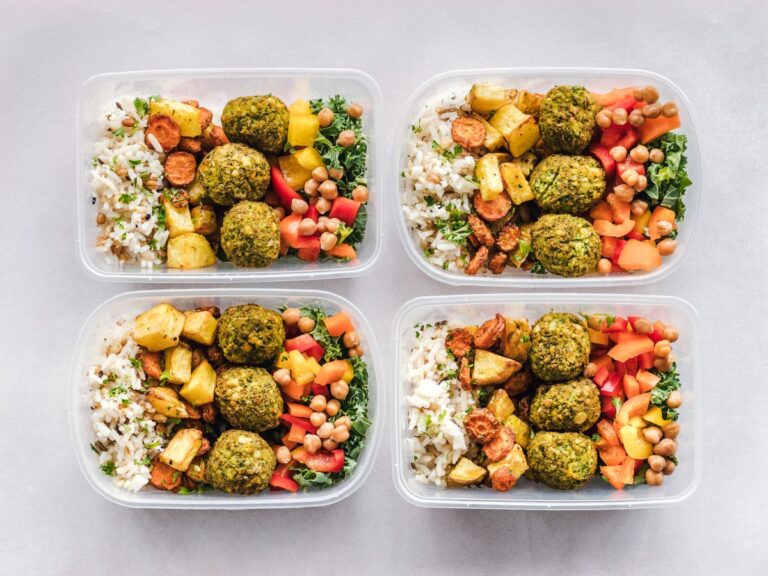
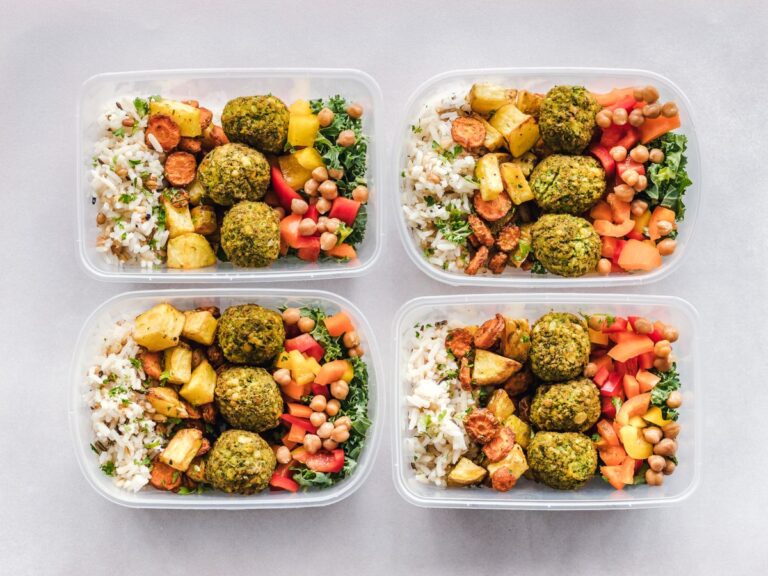
- Glass or BPA-free plastic meal prep containers, 6 to 8 containers, each holding roughly 750 to 1,000 milliliters.
- A large baking sheet and a rimmed roasting pan for cooking proteins and vegetables in bulk.
- A slow cooker or Instant Pot for hands-off cooking of large batches of chicken, beef, or beans.
- A reliable food scale to weigh portions accurately.
- A rice cooker or large pot for cooking grains in bulk.
- Quality knives, a cutting board, and basic utensils.
That is it. No sous-vide machine, no air fryer, no dehydrator. The goal is to prepare food, not to host a cooking show. A $20 kitchen scale and a set of containers will do more for your physique than any gadget.
Before you start cooking, plan your shopping. Buy proteins in bulk when they are on sale and freeze what you will not use within two days. Frozen vegetables are nutritionally equivalent to fresh and often more convenient. Shop the perimeter of the grocery store where whole foods live, and keep your list tight to avoid impulse buys. A focused weekly shop takes 30 minutes and sets you up for success before you even turn on the oven.
The Weekly Prep Schedule: A 2-Hour Blueprint
Here is a proven schedule that gets a full week of lunches and dinners prepped in about two hours. The key is parallel cooking: while one item is baking, you are preparing another on the stove.
Start by preheating your oven to 400 degrees Fahrenheit. Season three to four pounds of chicken breast or thighs with salt, pepper, and garlic powder, place them on a baking sheet, and put them in the oven. They will need 25 to 35 minutes depending on thickness. While the chicken cooks, rinse two to three cups of dry rice and start it in a rice cooker or large pot. This will take 20 to 30 minutes and requires almost no attention.
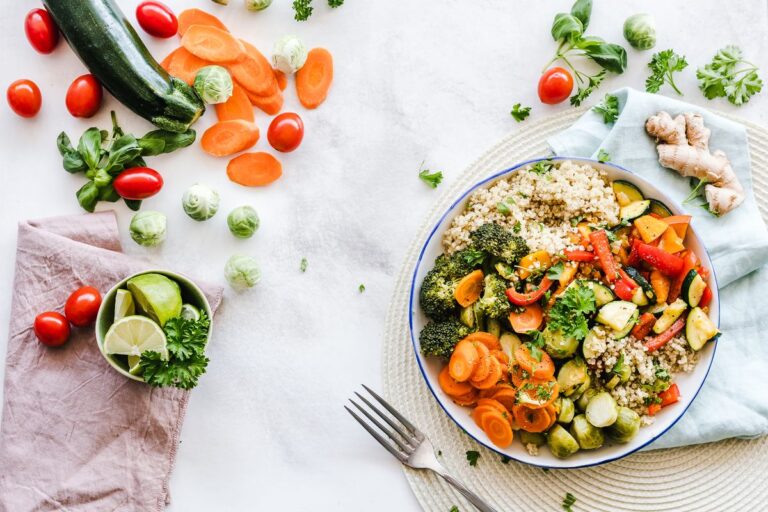
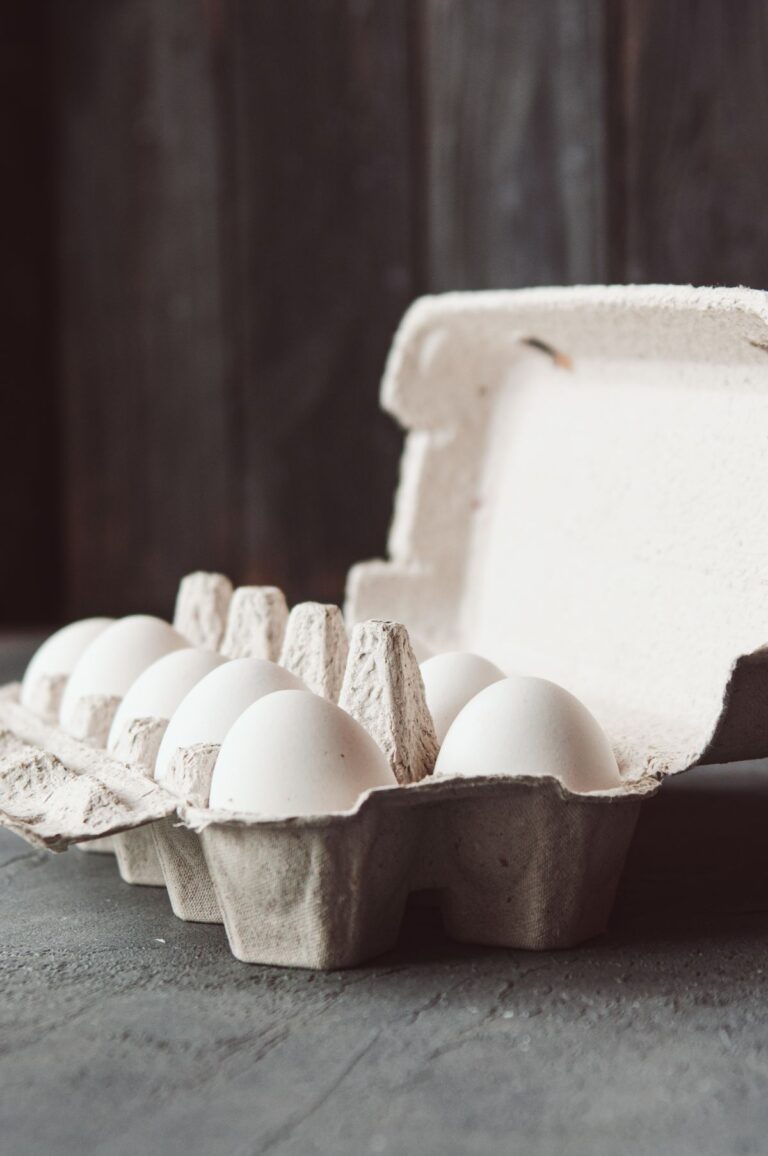
While the rice and chicken are going, chop your vegetables. Broccoli, bell peppers, zucchini, and green beans are excellent choices. Toss them with a tablespoon of olive oil and a pinch of salt, spread them on a second baking sheet, and slide them into the oven for 15 to 20 minutes. You now have protein, carbs, and vegetables cooking simultaneously. In the remaining time, you can cook a ground turkey or beef mixture on the stove, portion out snacks like Greek yogurt or cottage cheese, and hard-boil a dozen eggs for quick protein throughout the week.
Sample Meals and Recipes for the Week
This template provides roughly 3,000 calories per day with approximately 180 grams of protein, 350 grams of carbohydrates, and 90 grams of fat. Adjust portions to match your own targets. Each meal is balanced and includes a protein source, a carbohydrate source, vegetables, and a small amount of healthy fat.
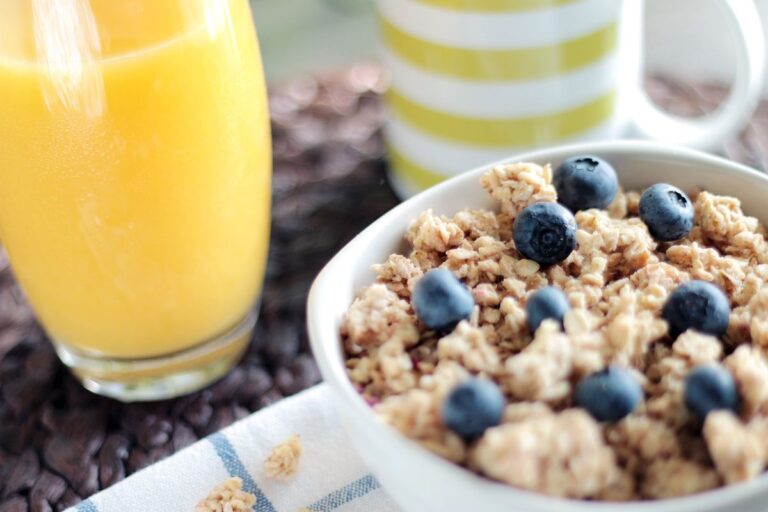
Breakfast (not prepped, made fresh): 3 whole eggs scrambled, 2 slices whole-grain toast, 1 cup Greek yogurt with berries. Macros: 38g protein, 48g carbs, 24g fat.
Lunch (prepped): 6 ounces baked chicken breast, 1.5 cups cooked rice, 1.5 cups roasted broccoli, 1 tablespoon olive oil. Macros: 52g protein, 70g carbs, 20g fat.
Pre-workout snack (prepped): 1 scoop whey protein in water, 1 banana, 15 almonds. Macros: 28g protein, 35g carbs, 10g fat.
Dinner (prepped): 6 ounces lean ground turkey, 1.5 cups cooked rice, 1.5 cups roasted bell peppers and zucchini, 1 tablespoon olive oil. Macros: 48g protein, 72g carbs, 22g fat.
Evening snack (prepped): 1 cup cottage cheese, 1 tablespoon peanut butter, 1 apple. Macros: 30g protein, 30g carbs, 12g fat.
Daily total: approximately 196 grams of protein, 255 grams of carbohydrates, 88 grams of fat, and around 3,000 calories. The cost per day is roughly $8 to $12, or $56 to $84 per week, which is competitive with most grocery budgets and far cheaper than eating out. The protein sources rotate between chicken, turkey, and fish to provide variety, while the carb and vegetable bases stay consistent for simplicity.
When portioning, use your food scale for the first few weeks until you can eyeball portions accurately. A kitchen scale removes guesswork and teaches you what six ounces of chicken or one cup of cooked rice actually looks like. Over time, this skill becomes automatic and you will be able to assemble meals without weighing. If you are trying to gain muscle, add an extra half cup of rice or an extra ounce of protein to two meals. If you are trying to lose fat, reduce the rice slightly and add more vegetables to fill the container without adding many calories.
Storage, Safety, and Keeping Food Fresh
Cooked food is safe in the refrigerator for up to four days. If you are prepping for a full seven days, freeze the meals for days five through seven and move them to the fridge the night before you plan to eat them. This prevents spoilage and keeps your food tasting fresh. Always let food cool to room temperature before sealing containers and refrigerating them; sealing hot food traps steam and creates a breeding ground for bacteria.
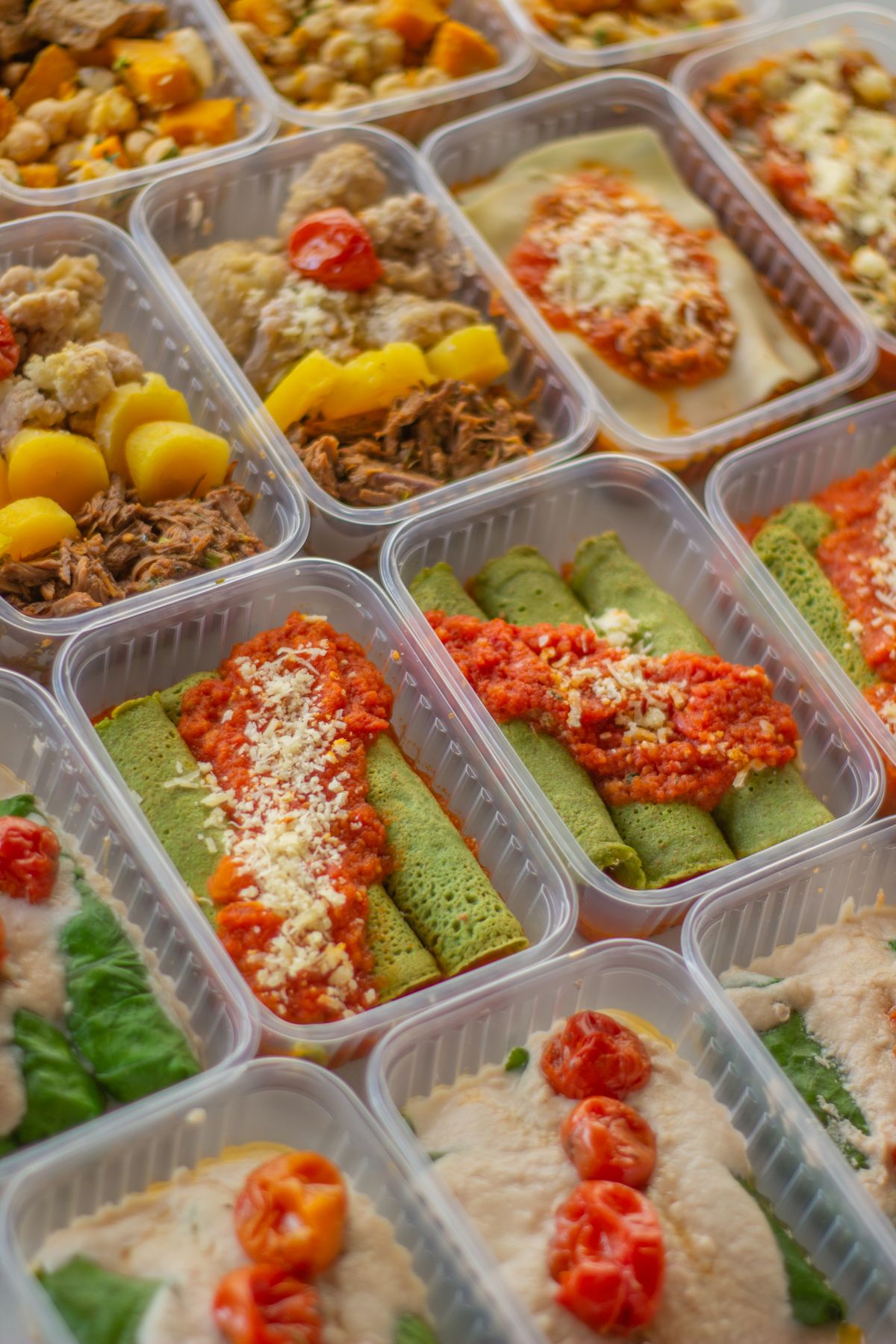
Glass containers are ideal because they do not absorb odors or stain, and they reheat evenly in the microwave. If you use plastic, choose BPA-free containers and avoid microwaving them if possible. Label your containers with the day and meal if you are prepping multiple options, so you can grab the right one without opening every lid. A small cooler bag with an ice pack is essential for taking meals to work or the gym; do not let prepped food sit at room temperature for more than two hours.
Beating Food Boredom and Sticking to the Plan
The number one reason people quit meal prep is boredom. Eating the same chicken and rice for seven days is mentally draining. The solution is to use the same base ingredients but change the flavor profiles. One week, use a Mexican theme: cumin, chili powder, lime, and salsa. The next week, go Mediterranean: oregano, lemon, garlic, and tahini. The week after that, try an Asian profile: soy sauce, ginger, and sesame oil. The protein and carbs stay the same, but the meals feel completely different.
Rotate your protein sources every few weeks. Chicken, turkey, lean beef, salmon, cod, tofu, and tempeh all work well in prep containers. Change your vegetables seasonally. And leave one meal per day, usually breakfast, unprepped so you have something fresh to look forward to. As we discussed in our guide to autoregulation with RPE and RIR, your training should adapt to your body. Your meal prep should adapt to your life. If you know Thursday is a late work night, prep an extra snack. If your weekend is unpredictable, leave Saturday meals flexible.
Meal prep is not about rigid perfection. It is about creating a system that makes good nutrition easier than bad nutrition. Start with one or two prepped meals per day, build the habit over a month, and gradually expand until your entire week is covered. The time you invest on Sunday will repay itself in better training, faster recovery, and visible progress all week long.