Protein 101: How Much Do You Really Need?
Protein often gets attention in fitness circles, but its importance goes far beyond building muscle. It supports immune function, hormone production, and helps you feel full after meals. Getting enough protein is one of the simplest upgrades you can make to your diet.
Despite how often it gets discussed, most people still underestimate how much they actually need — or overestimate how much they already eat. This guide breaks down the numbers, explains why they matter, and gives you a realistic way to hit your target without weighing every gram of food.
Why Protein Deserves the Attention
Protein is made of amino acids, often called the building blocks of the body. Your body uses them to repair muscle tissue damaged during training, but also to rebuild skin, hair, enzymes, neurotransmitters, and immune cells. When you train hard, your protein needs go up because the repair demand goes up.
Protein is also the most satiating of the three macronutrients. Studies consistently show that higher-protein diets lead to spontaneous reductions in calorie intake simply because people feel less hungry. If fat loss is your goal, protein helps you hold onto muscle while losing fat, which keeps your metabolism higher and your body composition better as the scale drops.
How Much Protein Do You Need?
For general health, aim for 0.7 to 1 gram of protein per pound of body weight per day. If you are actively building muscle or losing fat, closer to 1 gram per pound is a solid target. Spread this across three to four meals for best results.
To put numbers on it: a 180-pound person training regularly would target 130 to 180 grams of protein per day. Someone at 140 pounds would aim for roughly 100 to 140 grams. The widely cited Recommended Dietary Allowance of 0.36 grams per pound is the minimum to prevent deficiency in sedentary people — it is not an optimal target for anyone who trains.
There is little downside to the higher end of the range. Research on healthy people consuming up to 1 gram per pound shows no negative effect on kidney function. Unless you have a diagnosed kidney condition, aiming high is both safe and beneficial for body composition and recovery.
What Happens When You Fall Short
Under-eating protein does not cause instant failure, but the effects accumulate. You recover more slowly between sessions. You feel hungrier and more prone to snacking. Over weeks and months, your strength plateaus and your body composition stops improving even when training is consistent. Many people who think they have hit a genetic ceiling are simply under-eating protein by 30 to 50 grams per day.
A useful check: track your intake for three days. If you are consistently below 0.7 grams per pound, that is almost certainly the first thing to fix before worrying about supplements, timing, or training program design.
Age Changes the Equation
As you get older, your body becomes less efficient at using protein to build muscle — a phenomenon researchers call anabolic resistance. The practical fix is not complicated: you simply need a bit more protein per meal to trigger the same muscle-building signal. While a 25-year-old might maximize muscle protein synthesis with 20 grams of protein in a meal, someone in their 50s or 60s often needs closer to 35 to 40 grams to get the same response.
This is why older adults who train are encouraged to sit at the higher end of the daily range — closer to 1 gram per pound — and to make sure each meal contains a solid dose rather than grazing on small amounts. Sarcopenia, the age-related loss of muscle, is one of the biggest threats to long-term health and independence, and protein intake paired with resistance training is the most effective defense against it.
Can You Eat Too Much Protein?
For healthy people, going over your target is not dangerous. The body simply uses the excess for energy or breaks it down and excretes the nitrogen. However, very high intakes — beyond roughly 1.2 grams per pound — tend to crowd out other important foods like carbohydrate for training fuel and the fiber-rich plants that support gut health and long-term health.
The real risk of overshooting is imbalance, not toxicity. If you are eating so much protein that you have no appetite left for fruit, vegetables, whole grains, and enough total calories, the overall diet quality suffers. Aim for enough, not a contest. The range of 0.7 to 1 gram per pound sits in the sweet spot where the benefits are maximal and the tradeoffs are minimal.
Best Protein Sources
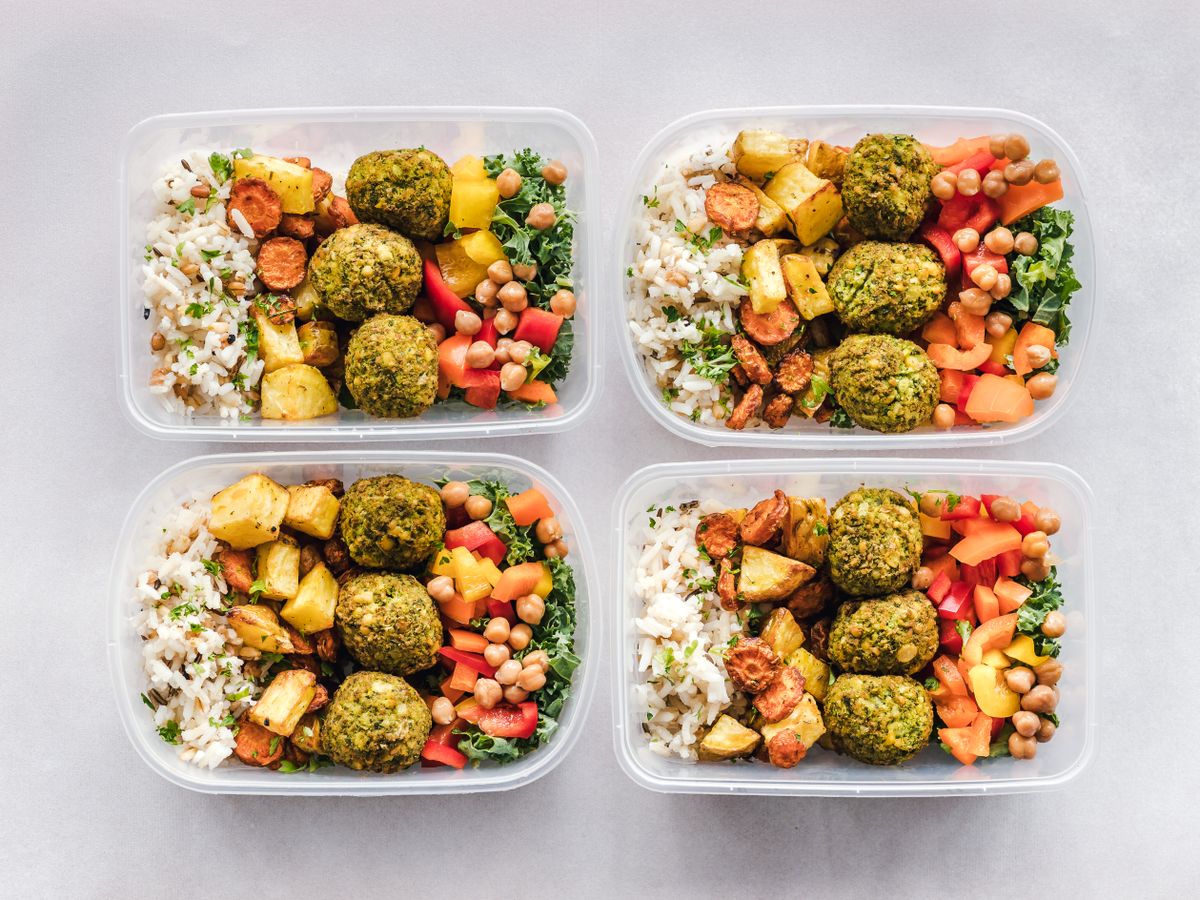
Chicken, fish, eggs, Greek yogurt, cottage cheese, tofu, tempeh, lentils, and beans are all excellent options. Animal proteins are complete, meaning they contain all essential amino acids. Plant proteins can be combined throughout the day to meet your needs.
To compare density, a 4-ounce serving of chicken breast delivers about 35 grams of protein. A cup of Greek yogurt gives around 20 grams. Two eggs provide about 12 grams. A cup of cooked lentils offers roughly 18 grams. Knowing a few reference numbers makes it far easier to hit your target without needing an app at every meal.
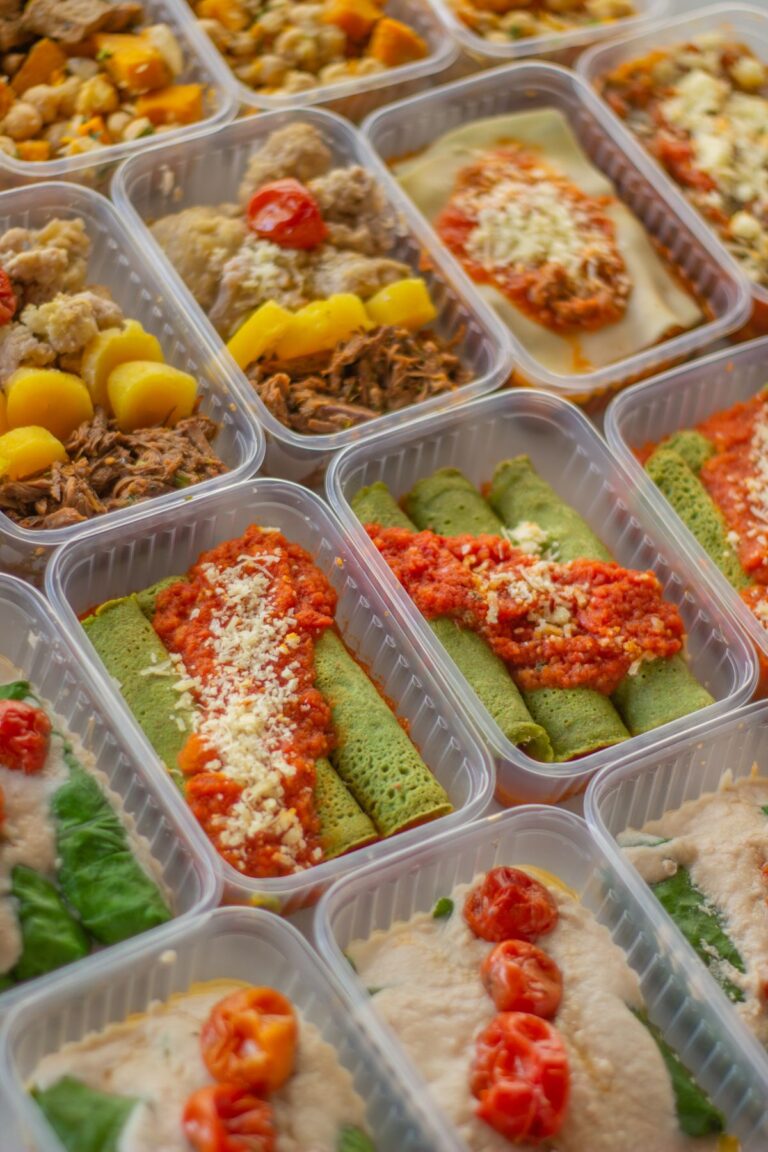
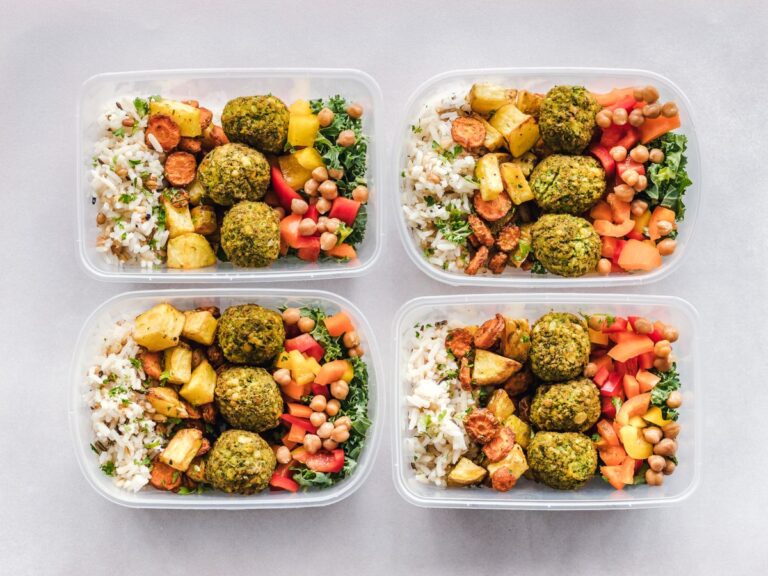
A practical approach is to anchor each meal around one dense protein source — meat, fish, eggs, dairy, or a generous portion of legumes or soy — and let the rest of the plate fill in around it. This single habit solves most people’s protein problem.
Do You Need Protein Powder?
Protein powder is convenient, not magical. A scoop of whey or a plant-based blend provides 20 to 25 grams of protein in seconds, which makes it useful when you are short on time or appetite. But whole foods should form the foundation of your intake. Use powder to fill gaps, not to replace meals you could otherwise eat.
If you consistently struggle to reach your target from food alone, one shake per day is a reasonable addition. If you already hit your number with whole foods, extra powder adds calories without meaningful benefit.
Simple Ways to Add Protein
Add eggs or Greek yogurt at breakfast. Include a palm-sized portion of protein at lunch and dinner. Keep protein-rich snacks like jerky, nuts, or edamame on hand. Small changes add up quickly.
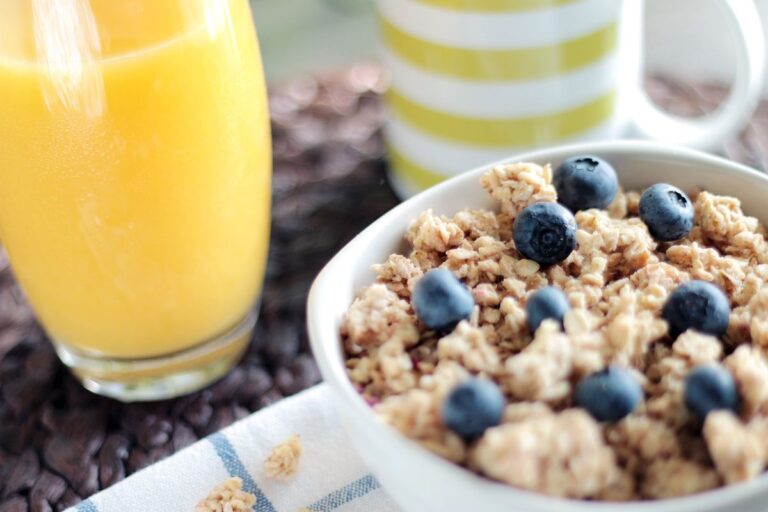
A few high-leverage swaps: trade cereal for eggs, swap a plain bagel for cottage cheese with fruit, add canned tuna or leftover chicken to a salad, choose Greek yogurt over regular yogurt, and keep a protein source visible in the fridge for when you are hungry. These small, repeatable habits matter more than any single perfect meal.
Putting It Together
You do not need perfection. Aim for consistency, and your body will thank you. Set a daily target based on your body weight, anchor each meal around a dense protein source, use powder only to fill gaps, and check your intake for a few days to confirm you are on track. Protein is not the only thing that matters in nutrition, but for most people who train, it is the highest-leverage change they can make this week.