Hydration and Performance: How Much Water Do You Need?
Water is the most overlooked performance enhancer in fitness. It is not glamorous like a new pre-workout formula or a complicated supplement stack, but it is far more important. Every system in your body that matters for strength and muscle growth depends on adequate hydration. Your muscles are roughly 75 percent water. Your brain, which controls motor coordination and motivation, is about 73 percent water. Even a small deficit can chip away at your strength, endurance, and recovery before you ever notice you are thirsty.
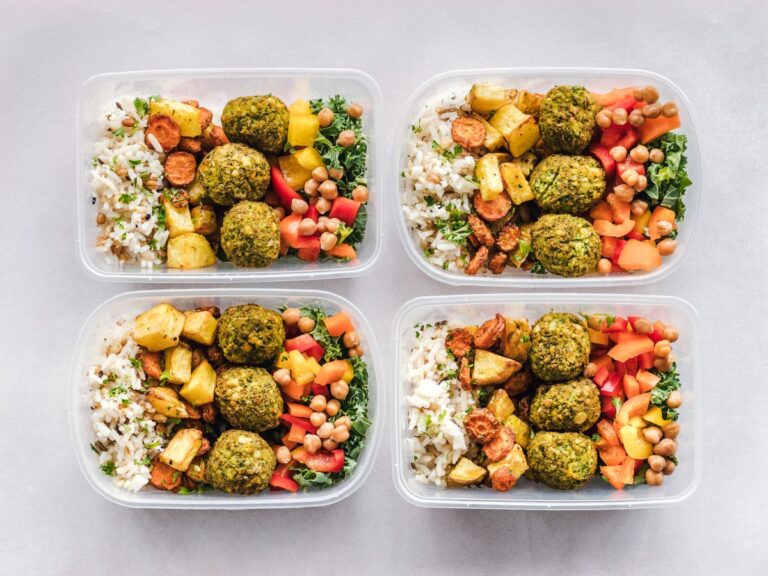
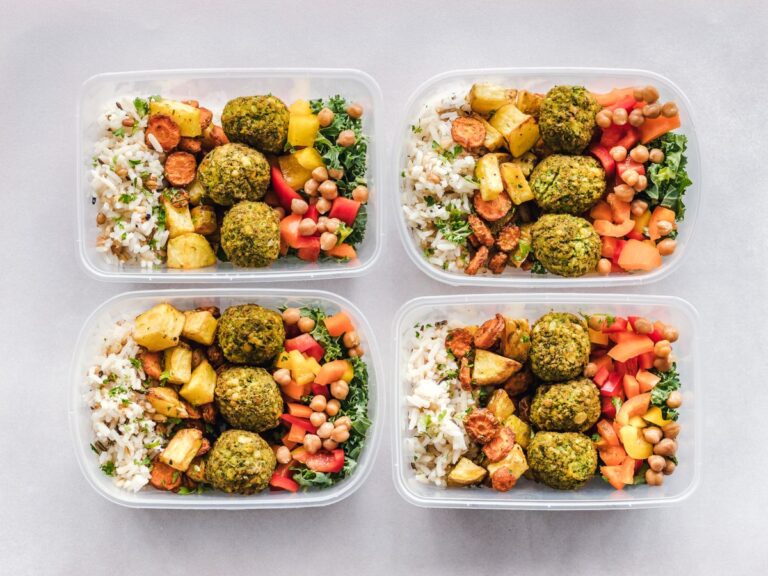
This guide covers the science of hydration for athletes, how to calculate your actual needs, when electrolytes matter, and practical strategies to stay hydrated without overthinking it. If you are already dialing in your nutrition and training hard, as we discussed in our guide to meal prep for muscle growth, hydration is the final piece of the recovery puzzle that most people miss.
Why Water Matters for Muscle and Strength
Water serves as the medium for virtually every physiological process that supports training. It transports nutrients to muscle cells, removes metabolic waste, and maintains blood volume so your heart can pump efficiently. During exercise, your body generates heat, and water is the primary coolant: it moves to the skin as sweat, where evaporation keeps your core temperature from climbing dangerously high. Without enough water, this cooling system fails, and performance drops sharply.
Water is also critical for joint lubrication. Synovial fluid, the liquid that cushions your joints, is mostly water. When you are dehydrated, this fluid thickens and loses its effectiveness, which can make heavy squats, deadlifts, and overhead presses feel uncomfortable or even painful. If you have ever noticed your knees or hips feeling unusually stiff during a workout, dehydration may be the culprit. The connection between hydration and injury prevention is real, and it is one of the reasons experienced lifters treat water intake as seriously as their protein targets.
Hydration also affects your brain and mood in ways that directly impact training quality. Even mild dehydration has been shown to increase cortisol, the stress hormone, and reduce feelings of motivation and alertness. A 2011 study in the Journal of Nutrition found that young women who were mildly dehydrated experienced increased perception of task difficulty, lower concentration, and more headaches. For a lifter, this means a dehydrated brain makes the barbell feel heavier and the set feel longer, not because your muscles are weaker, but because your central nervous system is struggling to drive them.
How Dehydration Steals Your Performance
The research on dehydration and strength is clear and sobering. A body water deficit of just 2 percent, which is easy to reach during a hard training session, can measurably reduce strength, power, and endurance. A 2007 study published in the Journal of Applied Physiology found that hypohydration, the state of below-normal total body water, impaired resistance exercise performance and increased the perceived effort of each set. In plain terms, the same weight felt heavier and more draining when the subjects were dehydrated.
Dehydration also impairs cognitive function, which matters more than many lifters realize. Reaction time, focus, and decision-making all decline with fluid loss. This increases your risk of technical errors during complex lifts, and technical errors are a leading cause of injury. A slightly slower reaction under a heavy barbell can be the difference between a successful rep and a failed one. Beyond the gym, chronic mild dehydration contributes to headaches, fatigue, poor sleep, and digestive issues, all of which indirectly hurt recovery and training quality.
How Much Water Do You Actually Need?
The outdated eight-glasses-a-day rule is not particularly useful for athletes because it ignores body size, activity level, and climate. A better starting point is 30 to 35 milliliters of water per kilogram of body weight per day as a baseline. For a 70-kilogram person, that works out to 2.1 to 2.5 liters, or roughly 8 to 10 cups, not including what you drink during training. A 100-kilogram person would need 3 to 3.5 liters at baseline. This provides the water your body needs for normal metabolic function before exercise is factored in.
For exercise, add roughly 500 milliliters of water for every hour of training, and more if you are a heavy sweater or training in a hot environment. A 90-minute gym session in summer might add 750 milliliters to 1 liter to your daily total. If you sweat heavily, evidenced by salt stains on your clothes or a strong sweat odor, you may need even more. The simplest approach is to weigh yourself before and after training. For every 0.5 kilogram, or roughly 1 pound, of body weight lost, drink 500 to 750 milliliters of fluid to replace it. This method is far more accurate than any generic rule.
Your urine color is a reliable, free indicator of hydration status. Pale yellow, like lemonade, generally means you are well hydrated. Dark yellow, like apple juice, means you need more fluid. Completely clear urine can mean you are overhydrating, which is not dangerous for most people but can dilute electrolytes if taken to extremes. Aim for pale yellow as your target.
Electrolytes: When Water Is Not Enough
Water is only half the story. When you sweat, you lose electrolytes, primarily sodium, potassium, and magnesium. These minerals are essential for muscle contraction, nerve signaling, and fluid balance. Drinking only plain water during long or very sweaty sessions can actually dilute your blood sodium levels, a condition called hyponatremia, which causes headaches, nausea, and in severe cases, dangerous swelling.
For sessions under an hour, plain water is usually sufficient. For sessions lasting longer than 60 to 90 minutes, or in hot and humid conditions, an electrolyte drink or adding a pinch of salt to your water is smart. Look for drinks that provide sodium, potassium, and magnesium without excessive sugar. You do not need a neon-colored sports drink; an electrolyte tablet or a homemade solution of water, a pinch of salt, and a squeeze of lemon works well. If you are training for longer than two hours, a drink containing some carbohydrate can also help maintain blood sugar and delay fatigue.
Practical Hydration Strategies for Training Days
Here is a simple, actionable framework for hydration around your workouts:
- Pre-workout: Drink 500 to 750 milliliters of water in the two hours before training. If you are already hydrated, you do not need to chug; steady intake is better.
- During training: Sip 150 to 250 milliliters every 15 to 20 minutes. For sessions under an hour, water is fine. For longer sessions, use an electrolyte drink.
- Post-workout: Drink 500 to 750 milliliters within 30 minutes of finishing. If you sweat heavily, include electrolytes. Then continue hydrating normally for the rest of the day.
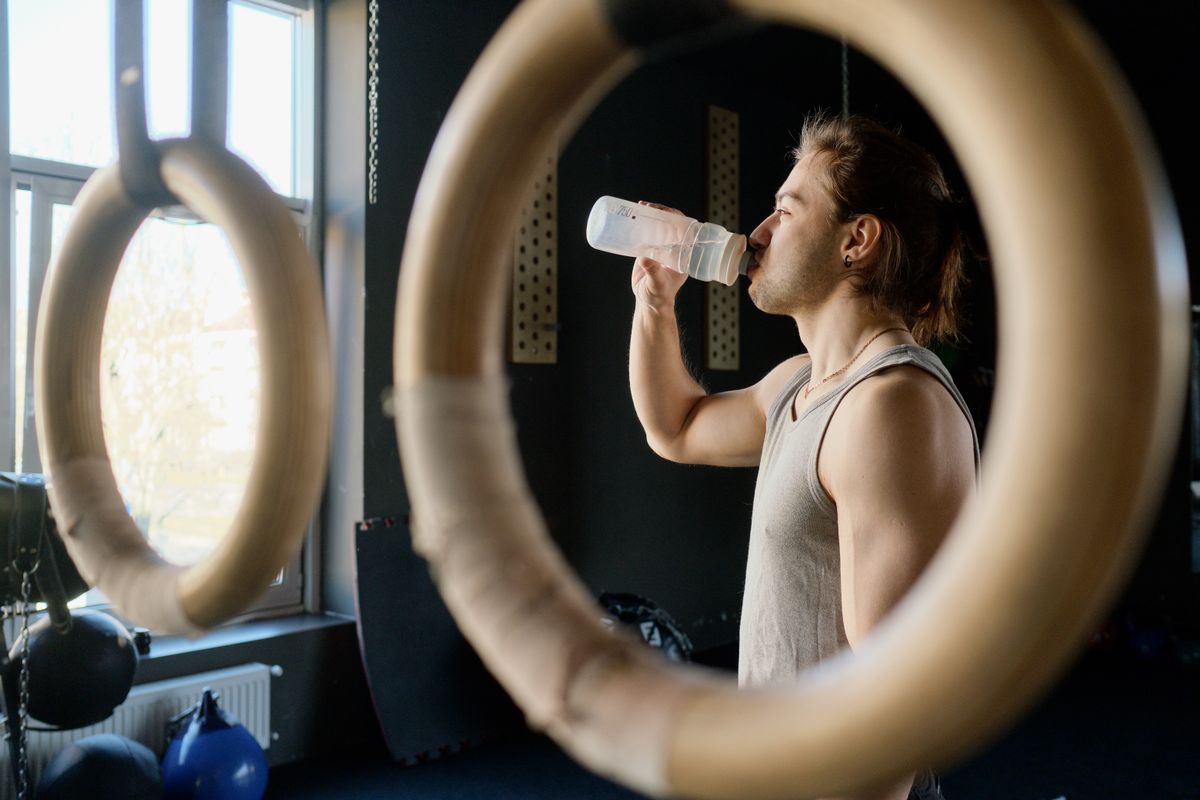
Carrying a water bottle with volume markings makes tracking effortless. Most people dramatically underestimate how much they drink, and having a one-liter bottle with timestamps can gamify the process. Set a goal to finish the bottle by 10 AM, another by 2 PM, and a third by the end of your workout. This adds up to 3 liters without any complicated math.
Morning hydration deserves special attention. After seven to nine hours of sleep, your body is already in a mild deficit. Drinking 500 milliliters of water within the first 30 minutes of waking kick-starts digestion, flushes metabolic waste, and sets a hydrated tone for the day. Keep a glass or bottle on your nightstand so you do not forget. This simple habit alone can improve energy levels and reduce the afternoon slump that many people blame on lunch when it is actually dehydration.
Food contributes to hydration too. Fruits and vegetables like watermelon, cucumber, oranges, and strawberries are over 90 percent water and provide hydration alongside nutrients. A diet rich in these foods reduces your need to drink as much plain water, which can be helpful for people who struggle to hit their fluid targets. As we covered in our macros guide, the carbohydrates and micronutrients in these foods also support training and recovery.
Hydration Myths and Misconceptions
Several myths persist around hydration that are worth addressing. The eight-glasses-a-day rule is a well-meaning but arbitrary guideline. It does not account for body size, activity, climate, or diet, and for many athletes, it is woefully insufficient. A better rule is to use body weight, activity level, and urine color as your personal guide.
Overhydration, or drinking excessive water in a short period, is another concern. While rare, it can dilute blood sodium to dangerously low levels. This is usually only a risk during endurance events where athletes drink plain water for hours without replacing electrolytes. For most gym-goers, drinking to thirst with occasional electrolytes is perfectly safe. You do not need to force water down every hour; listen to your body and drink when you are thirsty, while keeping an eye on urine color.
Caffeine is often blamed for dehydration, but the evidence does not support this fear at moderate intakes. Studies show that habitual caffeine consumers develop a tolerance, and the diuretic effect of a few cups of coffee is mild and offset by the fluid in the beverage itself. If you enjoy coffee or tea, you do not need to double your water intake to compensate. Just account for it as part of your total fluid consumption. The real dehydration culprits are alcohol, which suppresses anti-diuretic hormone, and very high sodium intake without adequate water, which pulls fluid from your cells.
Hydration is not complicated, but it does require attention. Start with the body-weight-based baseline, add 500 milliliters per hour of training, use urine color as a quick check, and include electrolytes for long sessions. Master these basics and you will lift more, recover faster, and feel better both in and out of the gym.