The Complete Guide to Bulking Without Getting Fat
Bulking is the phase of eating and training designed to maximize muscle growth. Done correctly, it helps you build size, strength, and athletic performance. Done poorly, it leads to unnecessary fat gain that takes months to diet off. The goal of a smart bulk is to provide your body with enough calories and nutrients to build muscle while minimizing fat accumulation. This is often called a clean bulk or lean bulk.
Many people assume that bulking means eating everything in sight. While a calorie surplus is required for muscle growth, the surplus does not need to be large. Research consistently shows that muscle gain happens at a relatively slow rate, and extra calories beyond what supports that rate are stored as fat. This guide will show you how to bulk effectively without getting fat.
What Is Bulking?
Bulking means eating in a calorie surplus while following a structured resistance training program. The surplus provides the energy and raw materials needed to build new muscle tissue. Without a surplus, muscle growth is limited, especially for intermediate and advanced lifters who have already exhausted their newbie gains.
There are two main approaches. A dirty bulk involves a large calorie surplus, often from any available food source. This leads to rapid weight gain but also significant fat gain. A clean or lean bulk uses a modest surplus, prioritizes nutrient-dense foods, and aims to keep fat gain minimal. For almost everyone, the clean bulk is the better choice.
The rate of muscle gain is limited by biology. Natural lifters can typically gain about 0.25 to 0.5 pounds of muscle per week, or roughly 1 to 2 pounds per month, depending on training experience. Eating more calories than required to support this rate does not speed up muscle growth. It just adds fat.
The Right Calorie Surplus
The key to bulking without getting fat is controlling the size of your surplus. A surplus of 200 to 300 calories above maintenance is sufficient for most natural lifters. Beginners and those returning from a break may be able to use a slightly larger surplus of 300 to 500 calories because their bodies can build muscle faster. Advanced lifters should stay on the lower end.
To estimate maintenance calories, multiply your body weight in pounds by 14 to 16, depending on activity level. Sedentary individuals use 14. Moderately active people use 15. Those with physically demanding jobs or high training volumes use 16. Track your weight for two weeks at maintenance to confirm.
Monitor weight gain closely. Aim to gain 0.25 to 0.5 percent of your body weight per week. For a 180-pound person, that is about 0.5 to 0.9 pounds per week. If you are gaining faster than this, reduce calories by 100 to 200. If you are not gaining, add 100 to 200 calories.
Protein, Carbs, and Fats for Bulking
Protein is the foundation of muscle growth. Aim for 0.7 to 1 gram per pound of body weight. Some evidence suggests that slightly higher intakes, up to 1.1 grams per pound, may be beneficial during a surplus. Protein provides the amino acids that drive muscle protein synthesis and should be distributed across multiple meals.
Carbohydrates are your primary fuel for training. During a bulk, carbs should make up the largest share of your calories. They replenish glycogen, support intense lifting, and improve recovery. Good sources include rice, oats, potatoes, fruit, whole grains, and legumes. Timing carbs around workouts can improve performance.
Fats are essential for hormone production, including testosterone. Keep fat intake at 0.3 to 0.5 grams per pound of body weight. Choose sources like eggs, fatty fish, nuts, olive oil, and avocados. Do not drop fat too low, as this can suppress hormones and reduce muscle-building capacity. For a deeper dive into macro setup, see our macros guide.
Training During a Bulk
A surplus without progressive resistance training leads to fat gain, not muscle gain. Your training program should emphasize compound lifts, progressive overload, and sufficient volume. Focus on squats, deadlifts, bench presses, rows, overhead presses, and pull-ups.
Aim for 10 to 20 hard sets per muscle group per week. Train each muscle group at least twice per week. Use a mix of rep ranges, with most work in the 6 to 12 range for hypertrophy and some heavier work in the 3 to 6 range for strength. Recovery is enhanced during a bulk, so you may be able to handle slightly more volume than during a cut.
Do not neglect cardio entirely. Two to three low-intensity cardio sessions per week support cardiovascular health, improve recovery, and help keep fat gain in check. Walking is particularly valuable during a bulk because it burns calories without adding fatigue.
Monitoring Body Fat and Adjusting
Track more than just scale weight. Take weekly progress photos, measure your waist, and note how your clothes fit. These indicators reveal whether you are gaining mostly muscle or adding unnecessary fat. A growing waistline is a sign that your surplus is too large.
Adjust calories based on real-world outcomes, not theory. If you are gaining strength and weight at the recommended rate without noticeable fat gain, your surplus is appropriate. If your waist is expanding quickly or you feel sluggish, reduce calories slightly. If weight and strength are stagnant, increase calories modestly.
Some fat gain during a bulk is normal and expected. The goal is not to stay at the same body fat percentage. The goal is to gain muscle faster than fat. A successful bulk might end with a few extra pounds of fat that can be removed in a short cutting phase.
Common Bulking Mistakes
The biggest mistake is eating too much. A 500 to 1000 calorie surplus may feel productive because the scale moves quickly, but most of that weight is fat. Be patient and keep the surplus small.
Another mistake is not training hard enough. Muscle growth requires progressive overload. If you are not getting stronger or adding reps over time, you are not giving your body a reason to build muscle. Track your lifts and push for improvement.
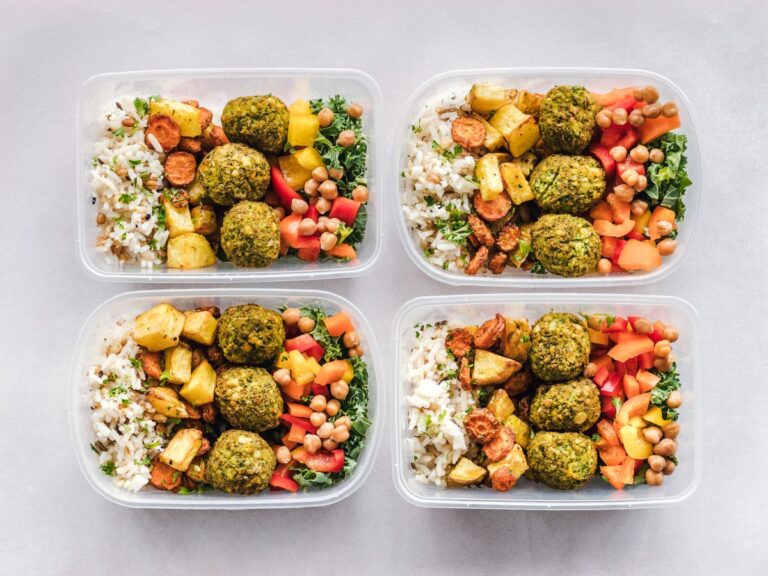
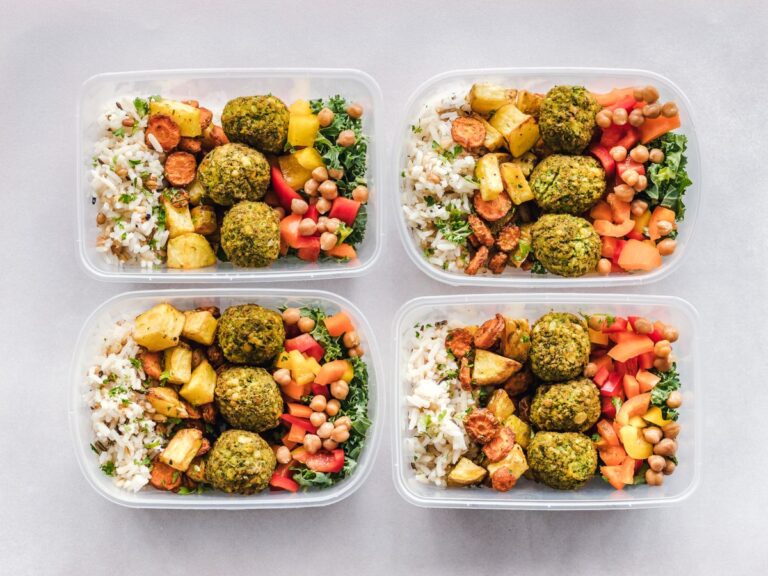
Finally, avoid using the bulk as an excuse to eat junk food. While you can include treats, the majority of your calories should come from whole, nutrient-dense foods. Quality nutrition supports training performance, recovery, and long-term health.
How Long Should You Bulk?
A typical bulk lasts 3 to 6 months, depending on your starting body fat and goals. Beginners can bulk longer because they gain muscle more efficiently. Those starting with higher body fat may want to keep bulks shorter to avoid excessive fat accumulation.
End a bulk when you reach a body fat level where you no longer feel comfortable, or when the rate of muscle gain has slowed significantly. Then transition to a short, controlled cut to reveal the muscle you have built. Repeat the cycle as needed until you reach your desired physique.
Bulking without getting fat comes down to patience, consistency, and smart calorie management. Eat slightly above maintenance, prioritize protein and whole foods, train hard, track progress, and adjust as needed. The result will be more muscle, minimal fat, and a physique that was built methodically rather than buried under excess body fat.