The Best Pre-Workout Meal Ideas for Energy
What you eat before a workout can make the difference between a sluggish session and a strong one. The right pre-workout meal provides energy, supports performance, and prevents discomfort. The wrong one — or nothing at all — leaves you flat, weak, or running for the bathroom halfway through a set.
This guide covers timing, what to include, and concrete meal ideas you can use today, whether you have three hours before training or thirty minutes.
Why Pre-Workout Nutrition Matters
Training is fueled mostly by carbohydrates. Your body stores carbohydrate as glycogen in the muscles and liver, and those stores are what power intense lifts and hard cardio. When glycogen is low — from a long day without eating, a previous hard session, or a low-carb diet — your output drops and your perceived effort climbs sharply.
A well-timed pre-workout meal tops up those glycogen stores, keeps blood sugar stable during training, and reduces the mental drag of training hungry. It also lowers the risk of hitting a wall partway through, which is when form breaks down and injury risk rises.
Timing Matters
Aim to eat a complete meal 2 to 3 hours before training. If you are eating closer to your workout, choose something smaller and easier to digest. Training on a full stomach can cause nausea and cramping.
The reason is simple digestion physics. During exercise, blood is redirected away from the digestive system toward working muscles. A large meal still being digested will sit heavy, cause discomfort, and can trigger reflux. The closer you get to training time, the smaller and more carbohydrate-focused your intake should be, because carbs clear the stomach faster than protein and fat.
A practical framework: 2 to 3 hours out, eat a full mixed meal. One hour out, eat a smaller carb-focused snack. Thirty minutes or less, take in something very light and fast-digesting. Adjust portions to your own tolerance, which you will learn quickly through trial and error.
What to Include
A good pre-workout meal includes easily digestible carbohydrates for energy and a moderate amount of protein. Keep fat and fiber lower right before training to avoid digestive issues.
Carbohydrates are the priority because they are what your muscles actually burn during intense work. Protein is useful in smaller amounts to reduce muscle breakdown and prime recovery, but you do not need a large serving immediately before training. Fat and fiber slow digestion — valuable at other times of day, but a liability when you are about to train, because they keep food in your stomach longer.
Quick Meal Ideas
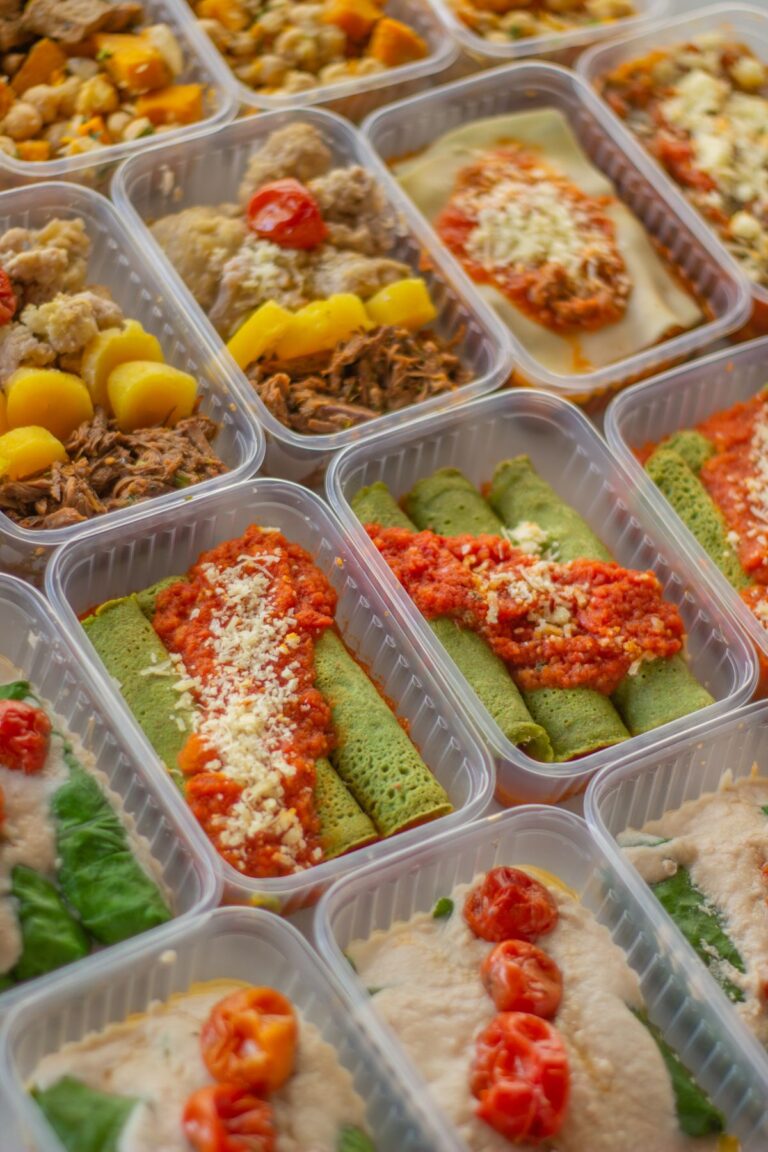
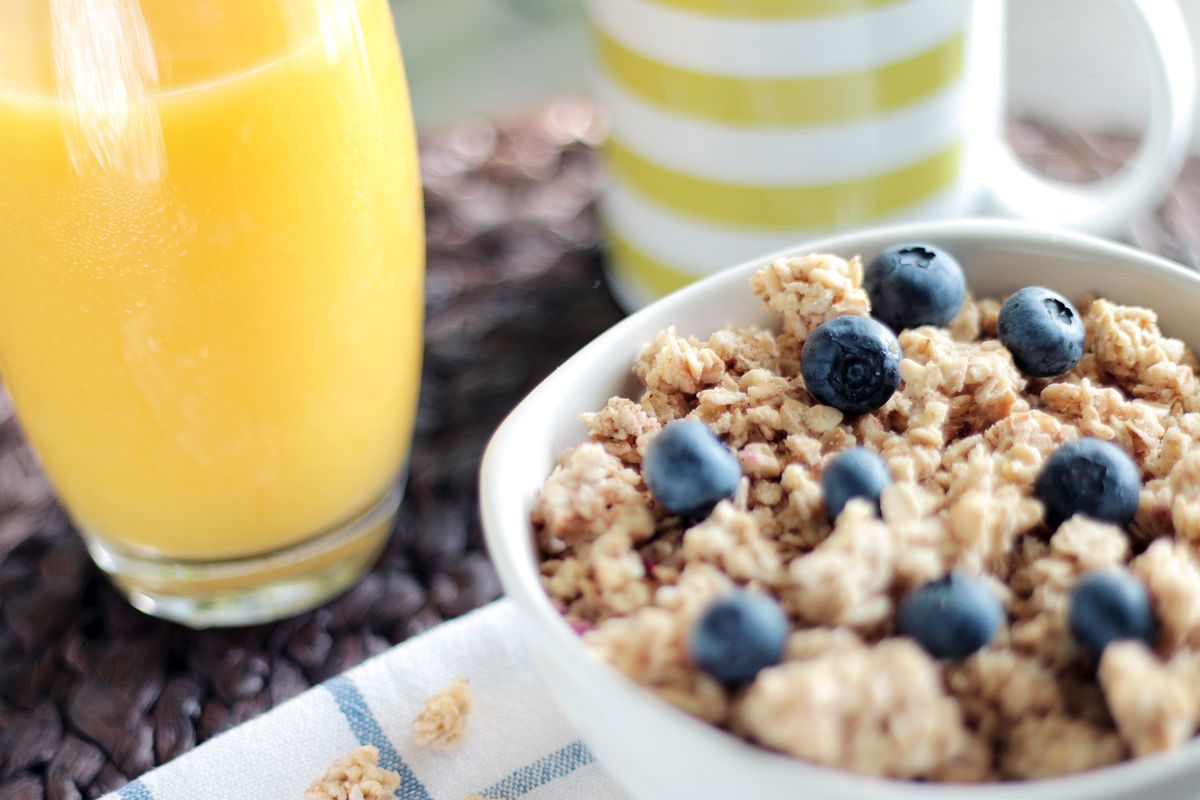
Oatmeal with banana and a scoop of protein powder. Rice cakes with peanut butter and honey. Greek yogurt with berries and granola. A turkey and cheese sandwich on white bread. These options are simple, affordable, and effective.
Each of these balances carbohydrate dominance with a modest protein amount and minimal fat and fiber. They are all designed to be eaten 60 to 90 minutes before training. If you have the full 2 to 3 hours, you can be more generous with portions and include a bit more protein and fat without trouble.
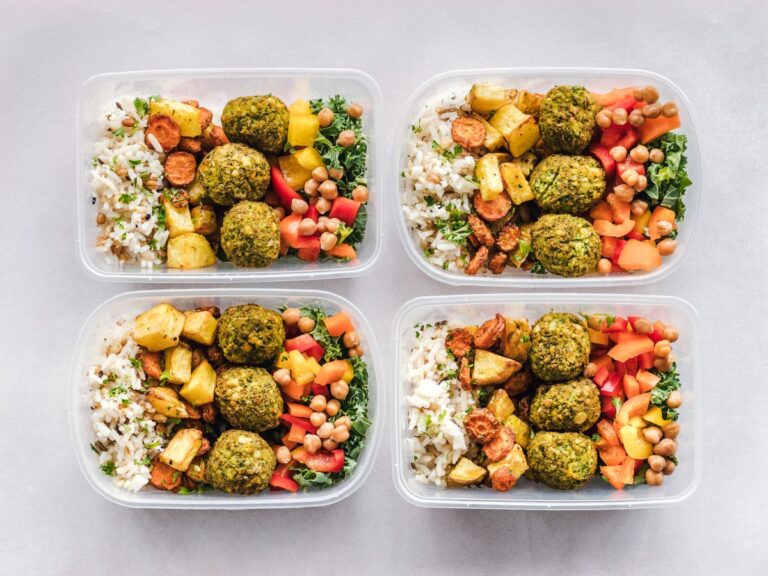
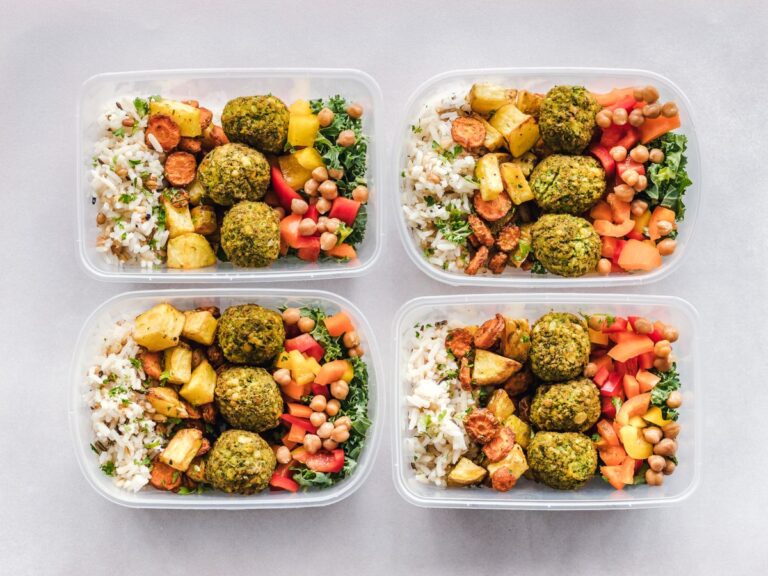
A few more options that travel well: a bagel with jam and a hard-boiled egg, a bowl of rice with a small piece of chicken, two rice cakes with a thin layer of peanut butter, or a fruit smoothie with a scoop of protein powder. The unifying principle is carb-forward, moderate protein, low fat and fiber close to training.
Last-Minute Options
If you have 30 minutes or less, grab a banana, a small protein shake, or a handful of dates. These provide quick energy without weighing you down.
When time is very short, the goal shifts entirely to fast carbohydrate that clears the stomach fast. A banana, a few dates, a small serving of sports drink, or even a spoonful of honey all work. Avoid heavy, fatty, or very high-fiber foods at this point — they will not digest in time and will only cause discomfort.
Training Fasted: When It Works and When It Doesn’t
Some people prefer to train first thing in the morning without eating, and for easy aerobic work or light technical sessions this can be fine. But for heavy strength training, high-intensity intervals, or sessions lasting longer than 45 minutes, training fasted usually means lower output and faster fatigue.
If your schedule forces early fasted training, at least take in a small amount of carbohydrate — a banana or a few dates — to give your nervous system something to work with. The performance difference is often noticeable within the first few sets.
Hydration Is Part of the Meal
Food is only half the equation. Even mild dehydration — as little as 2 percent of body weight — measurably reduces strength, endurance, and focus. Drink water steadily through the day and have 16 to 20 ounces in the couple of hours before training. In hot conditions or long sessions, add a pinch of salt to your water to replace what you lose in sweat.
A simple check on hydration status is the color of your urine: pale straw color means you are about right, dark yellow means drink more. This costs nothing and is more reliable than chasing a specific number of ounces per day, since needs vary with body size, climate, and how much you sweat.
Caffeine: The One Thing That Clearly Helps
If there is a single pre-workout substance with overwhelming evidence behind it, it is caffeine. Doses of roughly 3 to 6 milligrams per kilogram of body weight, taken 30 to 60 minutes before training, reliably improve strength, power, endurance, and perceived energy. For a 175-pound person, that works out to about 1 to 2 cups of coffee.
The catch is tolerance. If you drink coffee all day every day, the performance boost shrinks. Many lifters get more out of caffeine by reserving it for hard sessions, or by taking a break from it on easy days, so it still hits hard when it matters. If you train in the evening, be mindful that caffeine’s long half-life can wreck your sleep — for most people, cutting it off by early afternoon is the safe move.
Everything else marketed as a pre-workout — the proprietary blends, the exotic stimulants, the colored powders — mostly rides on the caffeine and a few ingredients like creatine and beta-alanine that work just as well taken any time of day. You do not need an expensive pre-workout to train hard. Coffee and a banana will get you 90 percent of the way there for a fraction of the cost.
Experiment to Find What Works
Experiment to find what works for your body. Once you dial in your pre-workout nutrition, your training sessions will feel noticeably better. Keep notes for a couple of weeks on what you ate, how long before training, and how the session felt. Within a short time you will have a small set of reliable options that consistently leave you fueled and ready.