The Beginner’s Guide to Strength Training
Strength training is one of the most effective ways to improve your health, build confidence, and create a body that supports everything you want to do. But starting can feel overwhelming. This guide breaks it down into simple, actionable steps. Whether you have never lifted a weight before or you are returning after a long break, the principles in this guide will help you start safely and build lasting habits.
Why Strength Training Matters
Strength training does more than build muscle. It improves bone density, boosts metabolism, supports joint health, and helps regulate blood sugar. It also makes daily life easier. Carrying groceries, climbing stairs, and playing with kids all feel less taxing. Research consistently shows that resistance training reduces the risk of osteoporosis, type 2 diabetes, and cardiovascular disease. It also improves mental health by reducing symptoms of anxiety and depression.
Unlike cardio, which primarily burns calories during the activity, strength training increases your resting metabolic rate. Muscle tissue is metabolically active, meaning it burns calories even at rest. Adding just a few pounds of muscle can increase your daily calorie expenditure by 50 to 100 calories. Over months and years, this adds up to significant fat loss and improved body composition.
Start With the Big Five
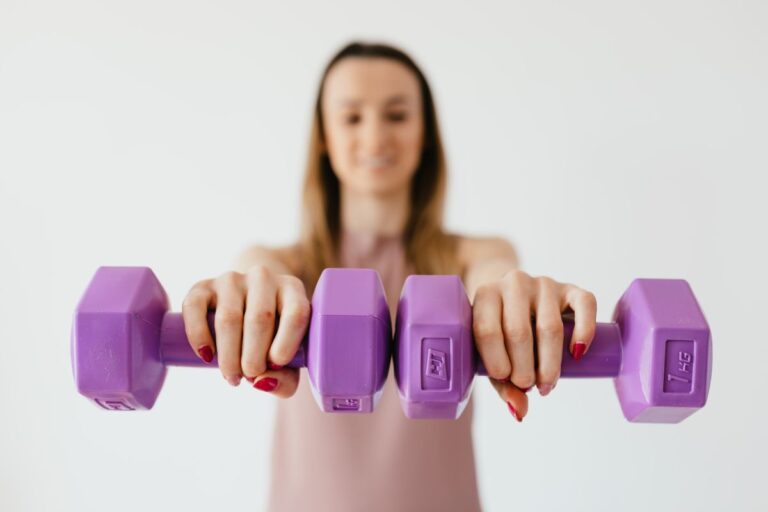
Focus on five movement patterns: squat, hinge, push, pull, and carry. These patterns cover every major muscle group and build real-world strength. You do not need fancy machines. A pair of dumbbells or a barbell is enough to start. Bodyweight exercises are also highly effective for beginners.
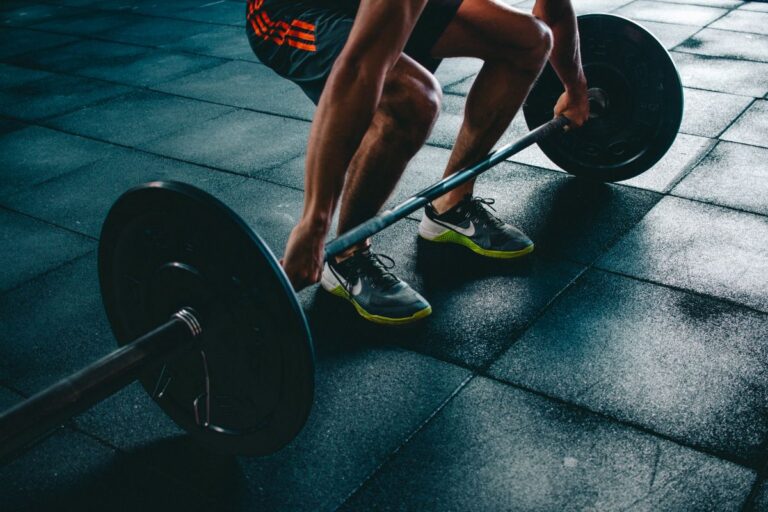
The squat pattern includes goblet squats, bodyweight squats, and eventually barbell squats. It builds leg strength and core stability. The hinge pattern includes Romanian deadlifts and kettlebell swings. It targets the posterior chain, which includes the hamstrings, glutes, and lower back. The push pattern includes push-ups and overhead presses, building chest, shoulder, and triceps strength. The pull pattern includes rows and pull-ups, which strengthen the back and biceps while improving posture. The carry pattern includes farmer walks and suitcase carries, which build grip strength and core endurance.
Begin with one exercise per pattern. For example: goblet squats, Romanian deadlifts, push-ups, dumbbell rows, and farmer walks. Perform 3 sets of 8 to 12 repetitions for each exercise. Rest 60 to 90 seconds between sets. This simple routine covers all major muscle groups and takes about 30 to 45 minutes.
Progress Slowly
The biggest mistake beginners make is doing too much too soon. Start with two or three sessions per week. Choose weights you can lift with good form for 8 to 12 repetitions. When that feels easy, add a small amount of weight. Progress is not about lifting the heaviest weight possible. It is about lifting a little more than last week, consistently.
Progressive overload is the gradual increase of stress placed on the body. For beginners, this can mean adding one or two reps per set, or adding 2.5 to 5 pounds to an exercise. Track your workouts in a notebook or app. Write down the exercises, sets, reps, and weights. When you can complete all sets at the top of your rep range with good form, it is time to increase the weight.
Form comes first. Never sacrifice technique to lift heavier. Poor form increases injury risk and reduces the effectiveness of the exercise. If you are unsure about your technique, consider hiring a coach for a few sessions, or film yourself and compare to reputable online resources. Quality reps always beat sloppy reps.
Rest and Recover
Muscles grow during rest, not during workouts. Sleep 7 to 9 hours, eat enough protein, and take at least one rest day between sessions targeting the same muscles. Consistency over months beats intensity over days. Beginners often feel sore after the first few workouts. This is normal and usually improves within a week or two as your body adapts.
Protein intake supports muscle repair and growth. Aim for 0.7 to 1 gram of protein per pound of body weight per day. Spread this across multiple meals. Hydration also matters. Drink water throughout the day, especially before and after training. On rest days, light walking or stretching can promote blood flow and reduce soreness without interfering with recovery.
Form and Technique Basics
Good form is what separates effective training from injury risk. For every exercise, start with a stable base. Feet should be shoulder-width apart or slightly wider, depending on the movement. Keep your core engaged by bracing as if someone is about to punch you in the stomach. Maintain a neutral spine. Do not round your lower back during deadlifts or squats. Breathe naturally. Exhale during the hardest part of the lift, and inhale during the easier phase.
Range of motion matters. Full range of motion builds more strength and flexibility than partial reps. Lower yourself all the way down in a squat until your thighs are at least parallel to the floor. In a push-up, touch your chest to the floor or as close as you can with good form. If you cannot perform a full range of motion, use an easier variation. For example, do push-ups on your knees or with your hands on a bench.
Common Beginner Mistakes
One common mistake is skipping the warm-up. A proper warm-up increases body temperature, improves joint lubrication, and prepares the nervous system for lifting. Spend 5 to 10 minutes on light cardio, followed by dynamic stretches and a few sets of the first exercise with lighter weight.
Another mistake is training to failure on every set. Leaving 1 to 3 reps in reserve is safer and allows you to train more frequently. Training to failure too often increases injury risk and extends recovery time. Save failure sets for the last exercise of a workout, if at all.
Comparing yourself to others is also a mistake. Social media is full of advanced lifters performing impressive feats. Remember that they have been training for years. Your only competition is yourself last week. Focus on your own progress, celebrate small wins, and trust the process.
Equipment Guide
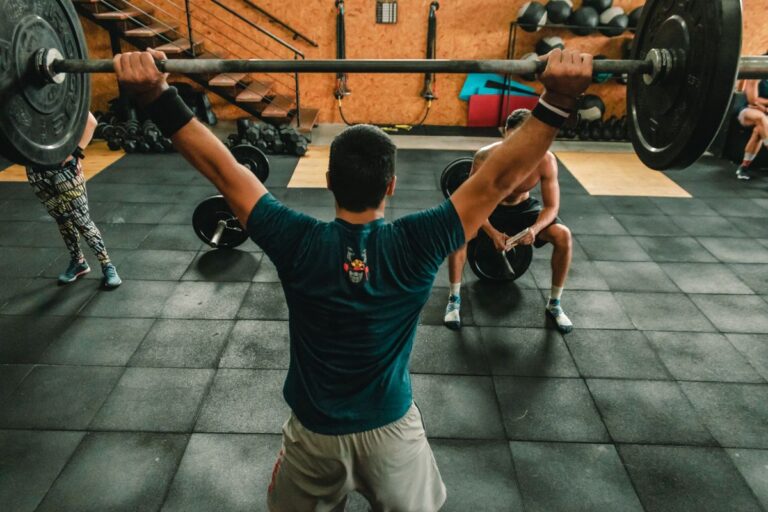
You do not need a gym membership to start strength training. A pair of adjustable dumbbells, a bench, and a pull-up bar can provide years of effective training. Resistance bands are also excellent for beginners because they are affordable, portable, and reduce joint stress. As you advance, a barbell and squat rack open up more exercise options, but they are not required for the first year.
Shoes matter. Flat-soled shoes like Converse or dedicated weightlifting shoes provide better stability than running shoes with thick cushioning. Good grip is important for deadlifts and squats. A weightlifting belt can be useful for heavy squats and deadlifts, but beginners should learn to brace their core without one first. Chalk or liquid grip can help if your hands get sweaty.
Conclusion
Strength training is a skill. Be patient, track your progress, and celebrate small wins. The results will come. Start with the big five movements, progress slowly, and prioritize recovery. Learn proper form, avoid common mistakes, and use equipment that fits your budget and goals. The most important thing is to start. Your first workout does not need to be perfect. It just needs to happen. Pick up the weights, do the work, and build the habit. Strength is built one rep at a time.