Active Recovery: What to Do on Rest Days
Rest days are where muscle is actually built. The weights you lift in the gym create the stimulus, but the repair and growth happen afterward, especially during the days you are not training. Yet many people treat rest days as wasted time, either lying on the couch all day or feeling guilty for not working out. The truth is more nuanced. Complete inactivity is not always ideal, and neither is sneaking in another hard session because you are anxious. Active recovery sits in the middle: light movement that promotes blood flow, reduces soreness, and speeds up repair without creating additional fatigue.
This guide explains what active recovery really is, why it works, which activities are best, and how to structure a rest day so you come back stronger. If you have been reading our work on recovery and sleep, this is the practical bridge between training hard and recovering fully. Done right, active recovery turns your days off into an extension of your program.
Why Rest Days Are Not “Days Off”
Resistance training creates microscopic damage in muscle fibers, depletes glycogen stores, and accumulates metabolic waste. Your body responds to this stress by repairing tissue, replenishing fuel, and adapting so that the same workout feels easier next time. This process is called supercompensation, and it is the entire reason training works. But supercompensation requires resources: adequate protein, calories, sleep, and time. Without rest, you are just accumulating damage faster than you can repair it.
The consequences of insufficient recovery are real. Overtraining syndrome, though rare in recreational lifters, is preceded by a much more common state called functional overreaching. Symptoms include persistent fatigue, declining strength, disrupted sleep, irritability, and nagging aches that do not go away. A 2012 review in Sports Medicine noted that the balance between training stress and recovery is the central factor determining long-term progress. More training is only better if you can recover from it. Once recovery becomes the bottleneck, adding more volume makes things worse, not better.
Rest days are therefore not passive. They are an active part of the training process. Your job on a rest day is to create the best possible environment for repair. That means good nutrition, good sleep, stress management, and light movement. Active recovery is one of the most effective tools in that toolkit because it enhances circulation and nutrient delivery without adding meaningful training stress.
What Active Recovery Actually Means
Active recovery is low-intensity, low-impact movement performed on non-training days or between training sessions. The goal is not to burn calories, exhaust yourself, or chase a pump. The goal is to increase blood flow, flush metabolic byproducts, reduce muscle stiffness, and stimulate the parasympathetic nervous system, the branch of your nervous system responsible for rest and digestion. Think of it as a gentle nudge to your recovery systems, not a second workout.
The intensity should be conversational. If you cannot hold a normal conversation while doing it, you are working too hard. Heart rate typically stays below 60 percent of your maximum, roughly zone 1. A simple way to gauge this is the talk test: you should be able to speak in full sentences without gasping. Sessions usually last 20 to 40 minutes, though even 10 minutes can help if you are short on time. The key is consistency and intent, not duration or exertion.
Active recovery is different from a deload week, though they complement each other. A deload, as we covered in our guide to deload weeks, is a planned reduction in training volume and intensity across multiple sessions. Active recovery is a single day or session of light movement. You can use active recovery on regular rest days and continue training hard the next day. During a deload, you might still train with lighter weights, but active recovery days replace the training stimulus entirely.
The Best Active Recovery Activities
Not all movement qualifies as active recovery. The best activities are low-impact, rhythmic, and enjoyable enough that you will actually do them. Here are the most effective options.
Walking is the king of active recovery. It requires no equipment, no gym membership, and no special skills. A 20 to 30 minute walk increases blood flow to recovering muscles, aids digestion, lowers cortisol, and exposes you to daylight, which helps regulate circadian rhythm. A 2018 study in the Journal of Strength and Conditioning Research found that light walking reduced delayed-onset muscle soreness, DOMS, more effectively than complete rest after eccentric exercise. If you do nothing else, walk.
Swimming and cycling are excellent because they are non-weight-bearing. Swimming is particularly good for sore joints because the water supports your body while providing gentle resistance. Cycling, either outdoors on flat terrain or on a stationary bike at low resistance, keeps your legs moving without the impact of running. Both should be done at an easy pace. Sprinting in the pool or attacking hills on the bike is not recovery.
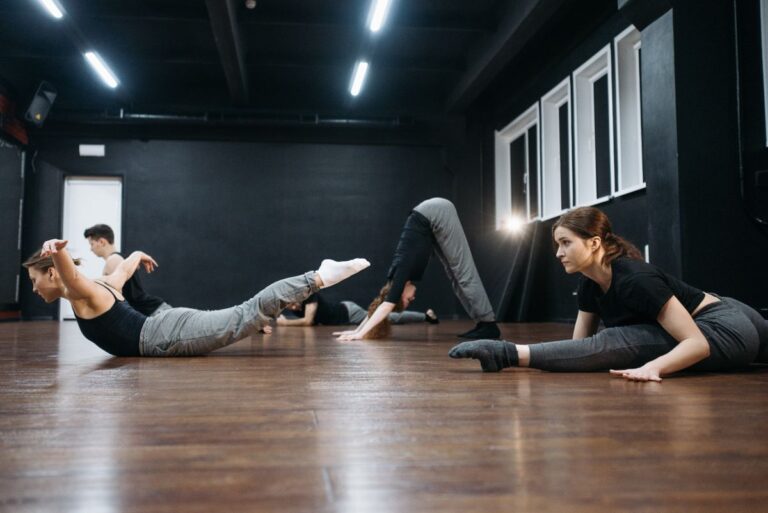
Mobility work is another powerful recovery tool. Gentle dynamic stretching, hip circles, shoulder dislocations with a band, and cat-cow stretches improve range of motion and reduce stiffness without fatiguing the muscles. This pairs well with our guides on daily mobility drills and hip mobility. Ten minutes of targeted mobility work on a rest day can make your next squat session feel dramatically better.
Yoga can be effective if you choose the right style. Restorative, yin, or gentle Hatha classes are appropriate. Power yoga, hot yoga, or vinyasa flows that leave you sweating and shaking are not active recovery; they are additional training. The same applies to foam rolling, which we cover in detail in our foam rolling guide. Used correctly, it can reduce perceived soreness and improve short-term range of motion.
Active Recovery vs. Passive Recovery
Passive recovery means complete rest: sleeping, reading, watching a movie, or simply doing nothing physically demanding. It is essential and should make up the majority of your recovery time. Sleep, in particular, is the single most powerful recovery tool available. Growth hormone pulses during deep sleep, muscle protein synthesis is elevated, and the brain clears metabolic waste. No amount of walking can replace a bad night of sleep.
Active recovery is a supplement to passive recovery, not a replacement. If you are exhausted, injured, or sick, passive recovery is the better choice. Forcing light exercise when your body needs rest can delay repair and increase stress hormones. A good rule of thumb is to ask how you feel. If you are mildly sore and energetic, active recovery is appropriate. If you are drained, achy, or getting sick, take the day off entirely.
Research suggests that active recovery is most beneficial in the 24 to 48 hours after a hard or novel training session, when DOMS is at its peak. During this window, light movement helps reduce stiffness and may modestly accelerate clearance of metabolic byproducts. Beyond that window, the benefits are mostly about maintaining habits and feeling better, which still matters. The psychological benefit of staying in a routine without overdoing it is one of the most underrated aspects of active recovery.
How to Structure a Rest Day
A well-designed rest day supports recovery in multiple ways. Here is a simple template that combines nutrition, movement, sleep, and stress management.
- Morning: Drink 500 milliliters of water upon waking. Eat a protein-rich breakfast with fruit and healthy fats. Take a 10 to 20 minute walk outside if possible.
- Midday: Do 10 to 15 minutes of mobility work targeting the muscles you trained hardest. Hip flexors, thoracic spine, shoulders, and ankles are common priorities.
- Afternoon: Stay hydrated and eat balanced meals. Avoid sitting for more than 60 minutes at a time. Set a timer to stand and move for two minutes every hour.
- Evening: Prepare a relaxing wind-down routine. Limit screens 60 minutes before bed, keep the room cool and dark, and aim for 7 to 9 hours of sleep.
This structure is not rigid. The point is to be intentional. Many people sabotage their rest days by staying up late, eating poorly, and sitting still all day, then wondering why they feel terrible the next training session. Treat recovery with the same respect you give your workouts and the results will follow.
Common Rest Day Mistakes
The most common mistake is turning a rest day into a disguised training day. A light jog is fine. A five-mile run at race pace is not. A gentle bike ride is fine. A spin class that leaves you drenched is not. If your heart rate is elevated, your muscles are burning, or you need a shower afterward, you have crossed the line from recovery into training.
Another mistake is complete inactivity followed by regret-eating. Rest days do not require you to lie on the couch all day. Light movement helps regulate appetite, mood, and digestion. Similarly, do not drastically cut calories on rest days. Your body is actively repairing tissue, and it needs fuel and protein to do so. Keep protein intake consistent and eat enough total calories to support recovery.
Finally, do not skip sleep. Sleep is when the real magic happens. As we discussed in our article on sleep and muscle recovery, even a single night of poor sleep can reduce testosterone, increase cortisol, and impair next-day performance. Protect your sleep schedule on rest days with the same discipline you bring to your training schedule.
Active recovery is not complicated, but it is powerful. Move lightly, eat well, sleep deeply, and trust the process. Your next hard session will be better for it.