The Deadlift: Form, Variations, and Common Mistakes
The deadlift is the purest expression of full-body strength. You lift a heavy weight off the floor and stand up with it. There is no momentum, no bounce, no hiding: just you and gravity. Done well, it builds the posterior chain, the hamstrings, glutes, back, and traps, more completely than almost any other lift, and it teaches you to pick up heavy objects safely for the rest of your life. Done poorly, it is one of the easiest ways to hurt your back. The difference is technique, and technique is learnable.
This guide covers the setup and execution of a safe, strong deadlift, the variations that suit different bodies and goals, and the common mistakes that derail progress and cause injury.
Why the Deadlift Matters
Few movements train as much muscle at once as the deadlift. The legs drive the weight off the floor, the hips and glutes extend the body to standing, the entire back holds the spine rigid against the load, and the grip and upper back keep the bar close and controlled. This is why a heavy deadlift builds strength that transfers directly to real life: lifting a child, moving furniture, carrying groceries, standing up from the ground.
The deadlift also builds resilience. A strong posterior chain counters the effects of sitting, supports better posture, and protects the lower back in daily life. The skill of bracing your core and hinging at the hips, which the deadlift teaches, is the same skill that prevents back injuries when you pick up something heavy at home. Learning to deadlift well is an investment in decades of back health.
The Setup: Building a Safe, Strong Position
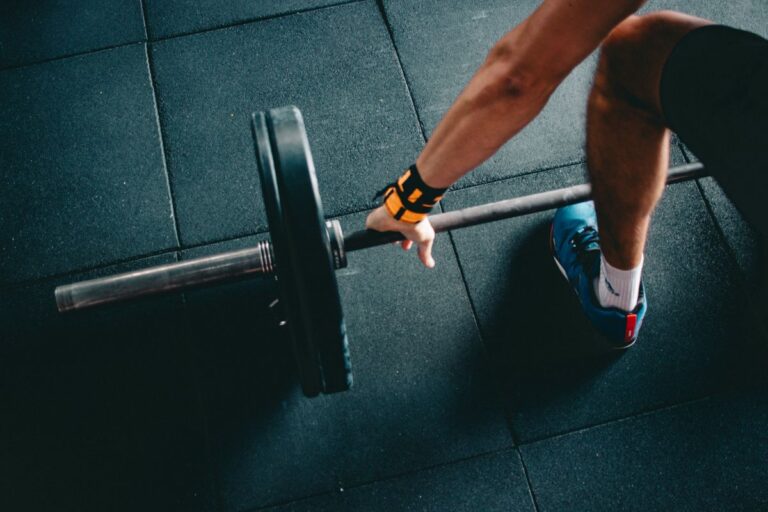
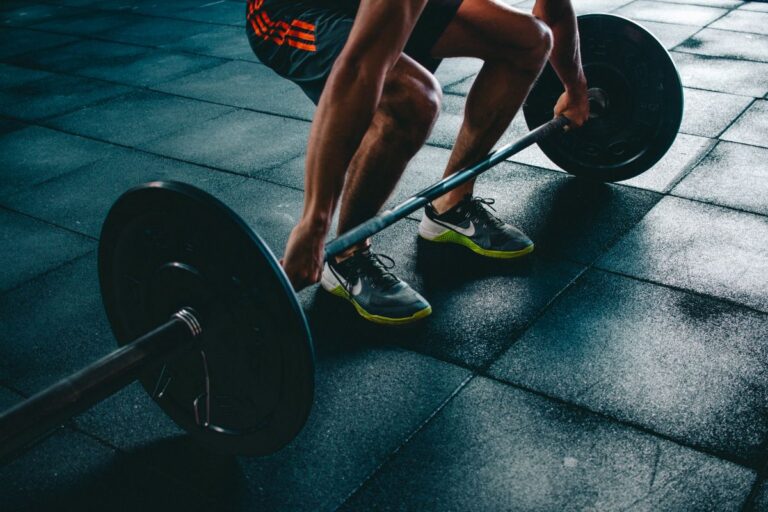
Great deadlifts are built in the setup, not the lift. Walk to the bar so that it sits roughly over the middle of your foot, with your shins close to but not touching it. Stand tall, then push your hips back and bend your knees slightly to reach down and grip the bar just outside your shins, with your arms hanging straight down. Your shins should now be vertical and touching the bar.
Before lifting, take the slack out of the bar by pulling gently until you feel tension in your arms and back. Take a deep breath into your belly and brace your core hard, as if preparing to be punched. Squeeze your lats to keep the bar close to your body. Your spine should be in a neutral position, not rounded and not excessively arched, with your chest up and your shoulders slightly in front of the bar. This tight, braced position is what protects your back and transfers force efficiently.
The Lift: Drive and Lockout
To lift, think of pushing the floor away with your legs rather than pulling with your back. Drive your feet into the floor to break the bar off the ground, keeping it close to your shins the entire time. As the bar passes your knees, drive your hips forward powerfully to lock out at the top, standing tall with your glutes squeezed. Do not lean back at the top; a neutral, upright finish protects your lower back.
Lower the weight under control by reversing the motion: push your hips back first, then bend your knees once the bar passes them, keeping your back neutral the entire way down. Do not drop the weight from the top unless you are using bumper plates on a platform; a controlled descent builds more strength and protects the bar and floor. Reset your brace and setup before every rep, because each good rep starts from a good position.
Common Mistakes and How to Fix Them
The most dangerous mistake is rounding the lower back during the lift. A flexed spine under heavy load places enormous pressure on the spinal discs and is the leading cause of deadlift injuries. Fix it by bracing harder, dropping the weight until you can maintain neutral spine, and filming yourself from the side to check your position. If you cannot keep your back neutral at a given weight, the weight is too heavy.
Other common errors include starting with the bar too far from your shins, which forces your back to round and turns the lift into a lower-back exercise; letting your hips shoot up before the bar leaves the floor, which turns the deadlift into a stiff-legged good morning; and jerking the bar off the floor, which breaks your tight setup. Each of these is fixed by returning to a patient, braced setup and driving smoothly rather than explosively off the floor.
Choosing the Right Variation
The conventional deadlift, feet close and hands outside the knees, is the classic version and the one most people picture. It allows the heaviest loads but demands good hip and hamstring mobility and a strong lower back. It is an excellent goal lift but not always the best starting point.
The trap bar, or hex bar, deadlift places you inside the frame of the bar with handles at your sides. The more upright torso position is easier on the lower back and feels more natural to many beginners, making it an outstanding choice for learning the hip hinge and building general strength. If you have access to a trap bar, strongly consider starting there.
The Romanian deadlift, or RDL, starts from a standing position and lowers the bar only to mid-shin by pushing the hips back, rather than lifting from the floor. It is arguably the best single exercise for building the hamstrings and glutes and for teaching the hip hinge pattern, and it carries far less technical demand than a floor deadlift. Many lifters get more benefit from heavy RDLs than from chasing a max floor pull.
Programming the Deadlift
The deadlift is the most taxing of the big lifts, so it does not need high volume to produce results. One heavy working set of five after thorough warm-ups, as in many beginner programs, is plenty for strength. More advanced lifters might do three to five working sets, but rarely more, because the recovery cost rises sharply. Deadlift once or twice a week at most; the lift rewards fresh, recovered bodies.
Progress conservatively. Add small amounts of weight over time, and never sacrifice form for a heavier pull. A weight you can move with clean technique builds you up; a weight you can only move with a rounded back breaks you down. Patience here pays off for years.
Grip, Belts, and Accessories
Grip is often the first thing to fail on a deadlift as the weight climbs. A double overhand grip builds grip strength and should be your default as long as it holds. When it fails, a mixed grip, one hand over and one under, locks the bar in place and lets you lift significantly more. Use chalk to keep your hands dry. Straps are a useful tool for higher-rep sets where grip would otherwise limit your back and leg work, but avoid relying on them for every set if you want to build grip strength.
A lifting belt, used correctly, increases intra-abdominal pressure and helps you brace harder, which can improve performance and protect the back on heavy sets. It is a tool, not a crutch; learn to brace without it first, then add it for your heaviest pulls. Neither belts nor straps replace good technique, and neither is required to build an impressive deadlift.
Mastering the Lift
The deadlift rewards patience and punishes ego. Take the time to learn a braced, neutral-spine setup, choose a variation that fits your body, progress conservatively, and treat every rep as practice. Do this, and the deadlift will build strength, resilience, and confidence that carry into every other lift and every part of life. Few exercises repay disciplined practice as generously.